prompt
1. Overall Goals
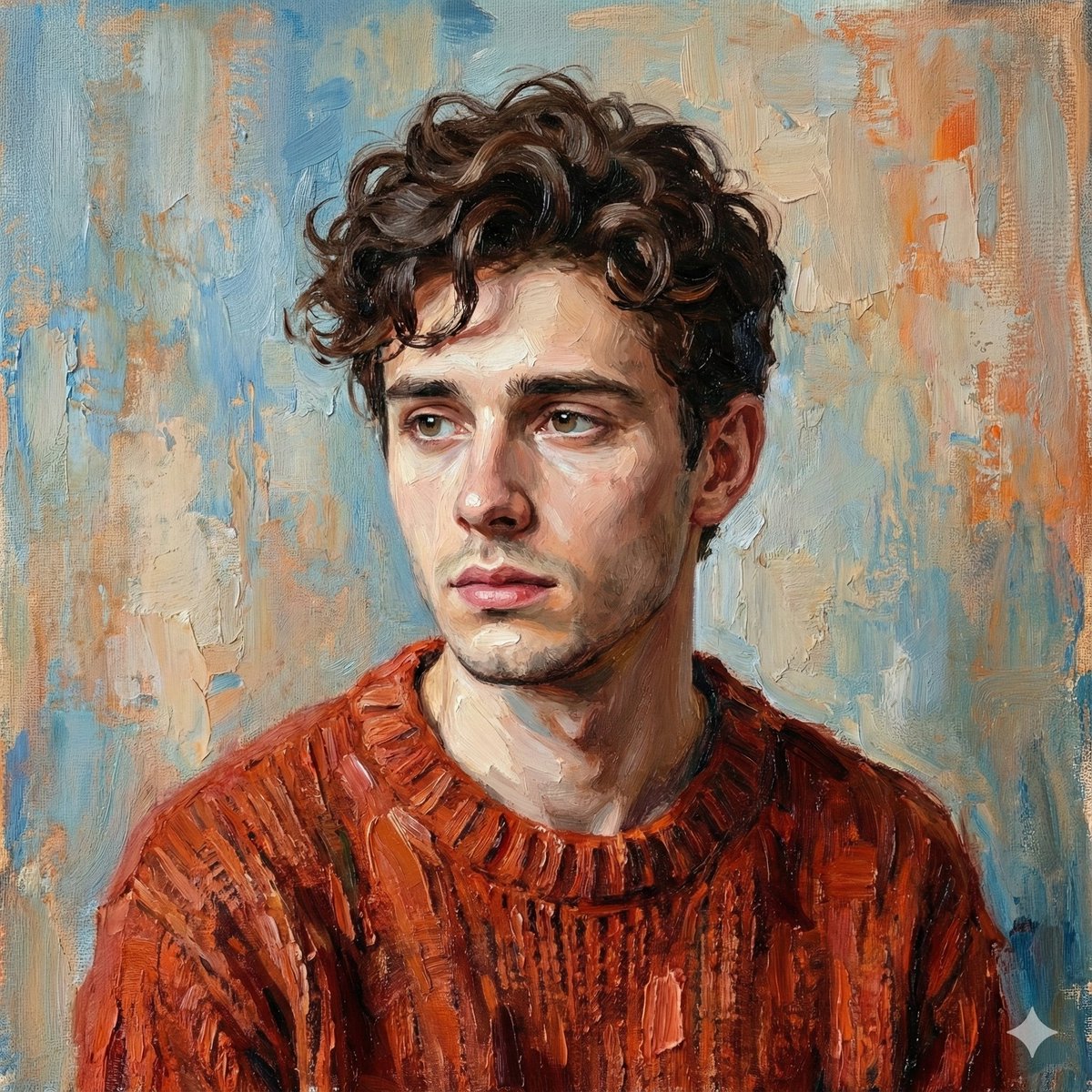
1. Function Description: Create a unique fashion portrait collage based on the user's uploaded character reference image, extracting the character's temperament, makeup style, lighting, and color features.
2. Differentiation Requirements: Retain the facial structure and overall temperament of the reference character, without directly copying the original image, while creatively varying the makeup and composition within the same style system.

2. Input Reference Image Requirements
1. Reference Content: Clear frontal or three-quarters profile photos of the character, showing facial features, skin texture, and general lighting atmosphere.
2. Key Points Extraction: Read skin tone, makeup intensity, main color scheme, light direction, character temperament, and clothing color from the reference image.

3. Composition and Output Format
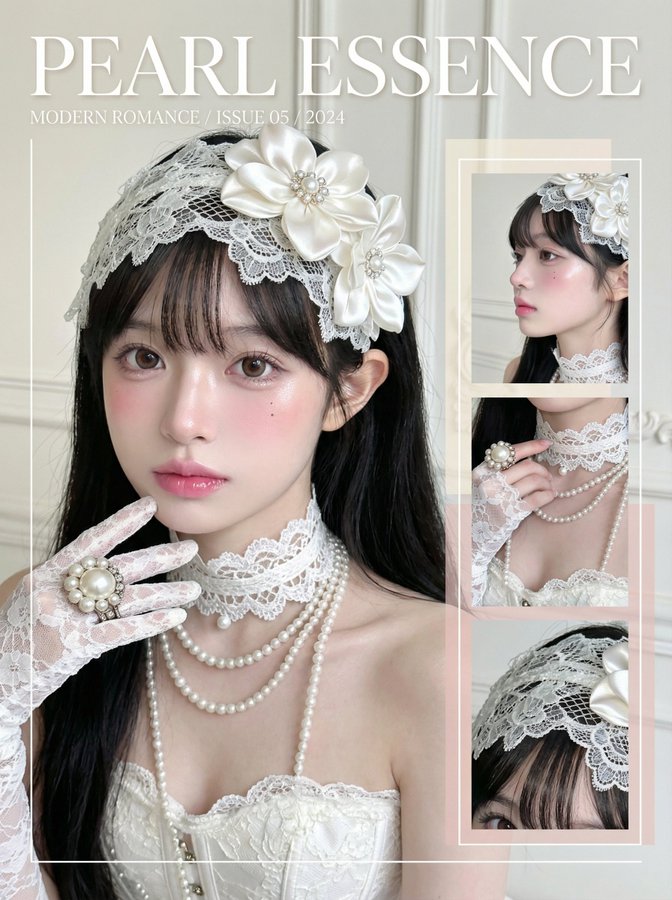
1. Main Image: Generate a close-up or near-close-up of the character's face, with the head and shoulders occupying most of the space, using the original image's temperament as a design reference.
2. Collage Structure: Add multiple small images on the right side or in a corner, which may include profile close-ups, hand close-ups, and partial makeup close-ups, creating a magazine layout feel.
3. Background Style: Keep the background simple and clean, primarily using solid colors or slight brightness transitions to highlight the character and makeup.

4. Text and Graphic Design
1. Title Text: Place a large magazine title at the top of the image, with a simple and powerful font, centered or top-centered.
2. Subtitle and Small Text: Add a few lines of small text on one side or at the bottom of the image, which can include keywords, character names, and dates, arranged neatly with a uniform font size.
3. Geometric Shapes: Incorporate fine lines, narrow rectangular color blocks, or semi-transparent color blocks around the character, used in conjunction with the text to enhance the flat composition feel.

5. Style Inheritance Rules
1. Color Inheritance: The overall tone, light-dark contrast, and warm-cool temperament should closely match the reference image style, with the main color derived from the most prominent makeup or clothing color in the reference image.
2. Light Inheritance: Follow the light direction and softness of the original image; if the original image has soft light, maintain that softness; if the original image has strong contrast, retain a certain hardness.
3. Makeup Inheritance: Maintain the same style level based on the makeup characteristics of the reference image (transparent, intense, experimental, natural, etc.), while making detailed variations in eye makeup, blush, and lip makeup.
4. Atmosphere Inheritance: Continue the emotional atmosphere of the reference image, such as coolness, sweetness, rebelliousness, or mystery, reflected in expressions and postures.

6. Creative Variation Rules
1. Makeup Variation: Add exaggerated treatments to specific areas based on the reference style, such as expanding the blush area, intensifying lip blending, or adding freckles or highlights.
2. Composition Variation: Adjust the angle of the face, cropping range, and position of small image collages to ensure each generation has a different composition.
3. Accessory Variation: Add simple, well-designed accessories around the neck, ears, or hands that resonate with the main color scheme but do not completely replicate the reference image.
4. Detail Gestures: Include hand movements like touching the lips, cheeks, or under the eyes to make the image more narrative and engaging.

7. Overall Quality and Post-Processing Style
1. Clarity: Maintain visible skin pores and details, avoiding excessive smoothing, but appropriately soften non-focal areas.
2. Tone Processing: Ensure a unified overall tone, moderately reducing chaotic colors, while only enhancing the main color and a few accent colors.
3. Emotional Expression: Control the intensity of expressions and gazes based on the reference image's temperament, allowing the image to retain its original style while having an independent personality.

Automatically read the image style based on the user's uploaded character photo and create according to the above rules.
Related prompts
Suggested alternatives based on similar intent and language.
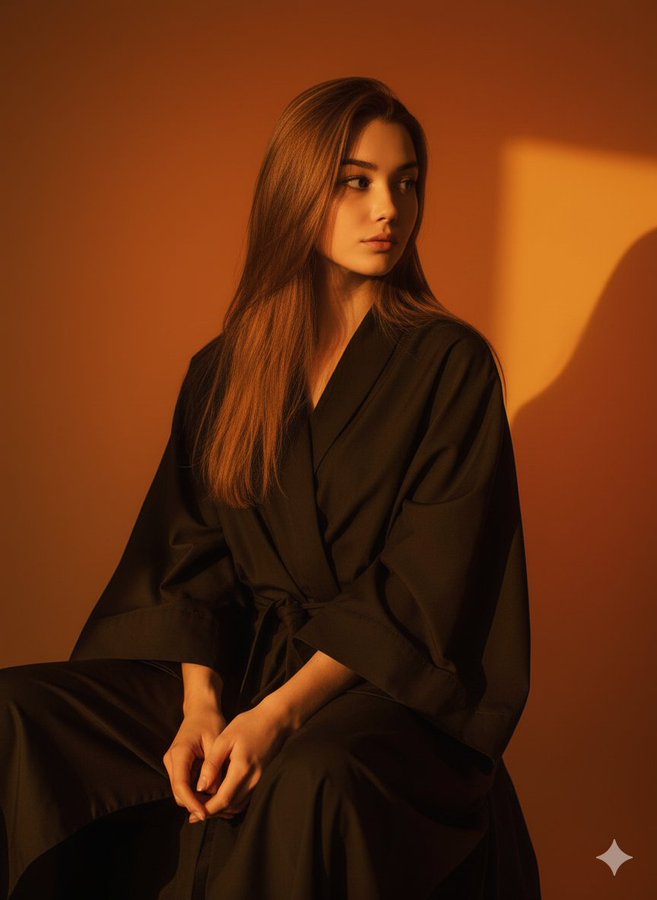
Beautiful Vertical Portrait
This prompt is for artists or photographers seeking to create a stunning, hyper-realistic vertical portrait with a warm, cinematic atmosphere.
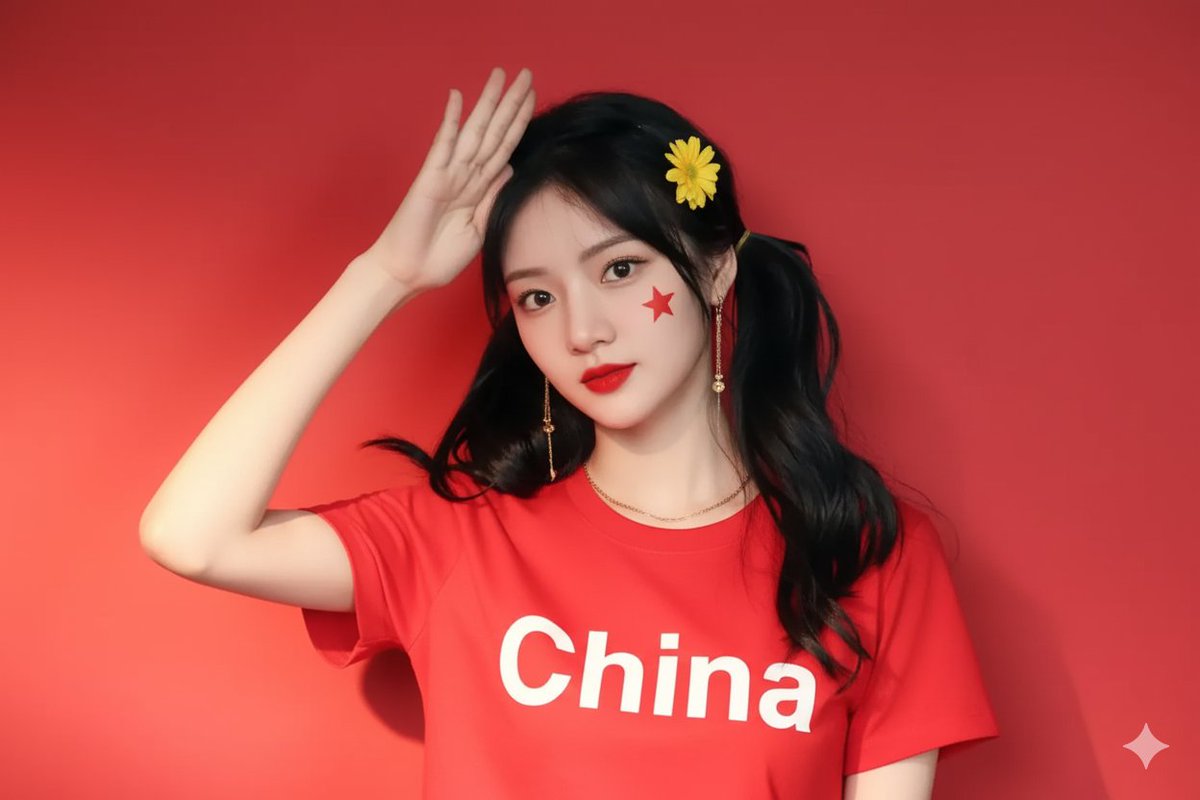
Chinese Red Selfie
This prompt is for photographers or artists creating patriotic-themed portraits, helping them visualize a vibrant, culturally inspired selfie.
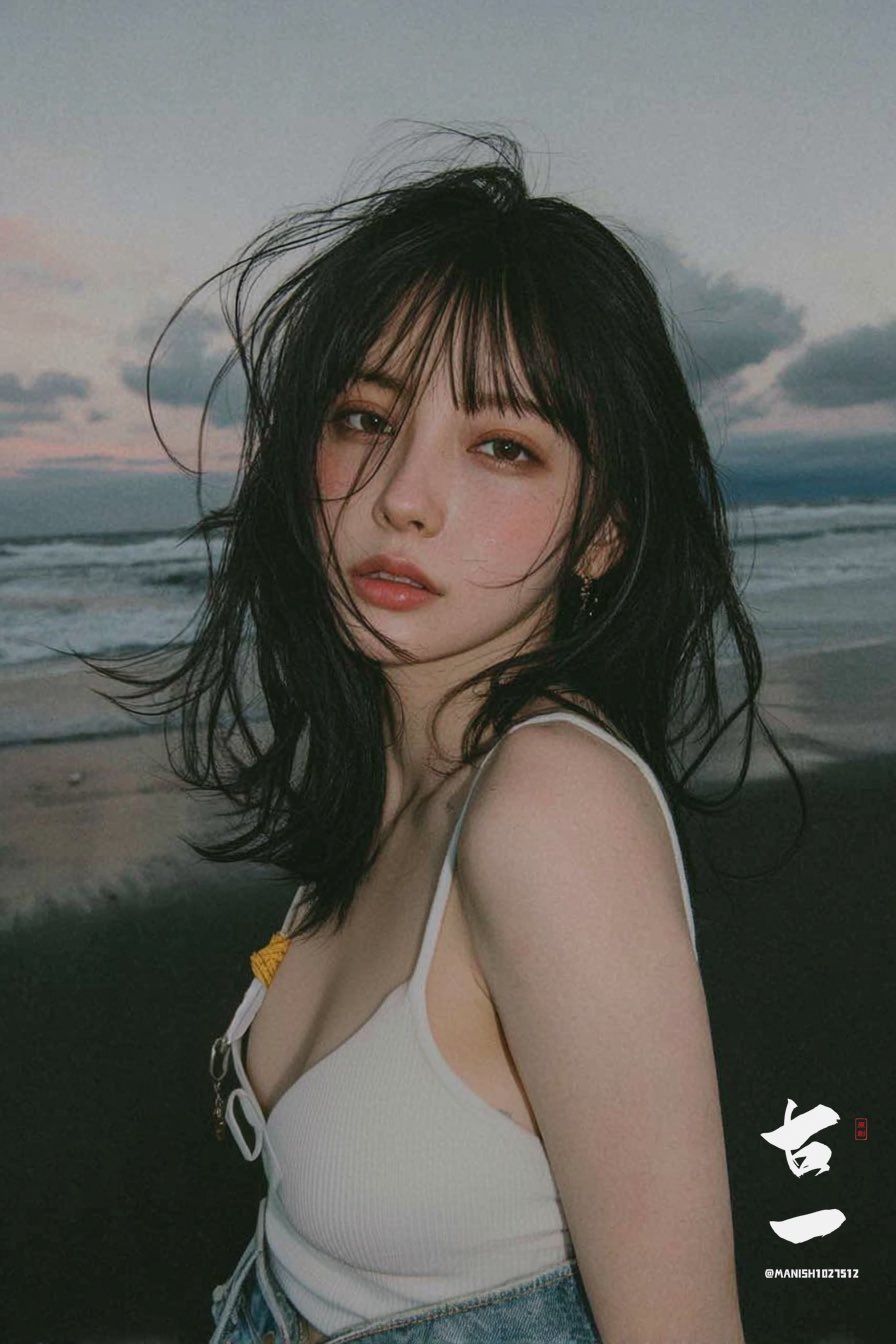
Women's Beach Movie-Style Portrait
This prompt is for photographers seeking to create a cinematic beach portrait of a woman at dusk, capturing emotional depth and natural beauty.
Why creators keep returning to AI Prompt Copy
AI Prompt Copy grew from late-night experiments where we packaged the most effective prompt ideas into a single workspace so every creator could ship faster.
Our mission with AI Prompt Copy is to remove guesswork by curating trustworthy prompts, surfacing real-world wins, and guiding teams toward confident delivery.
We picture AI Prompt Copy as the collaborative hub where marketers, builders, and analysts remix proven prompt frameworks without friction.
Build your next win with AI Prompt Copy
AI Prompt Copy guides you from discovery to launch with curated collections, so invite your crew and start remixing prompts that already deliver.
Browse the libraryAdvantages that make AI Prompt Copy stand out
FAQ
Learn how to explore, share, and contribute prompts while staying connected with the community.
How should I tailor Character Magazine Collage Cover before running it?
Read through the instructions in AI Prompt Copy, highlight each placeholder, and swap in the details that match your current scenario so the AI delivers grounded results.
What is the best way to collaborate on this prompt with my team?
Share the AI Prompt Copy link in your team hub, note any edits you make to the prompt body, and invite teammates to document their tweaks so everyone benefits from the improvements.
How can I save useful variations of this prompt?
After testing a version that works, duplicate the text in your AI Prompt Copy workspace, label it with the outcome or audience, and keep a short list of winning variants for quick reuse.
What can I do with AI Prompt Copy?
Browse a curated library of AI prompts, discover trending ideas, filter by tags, and copy the ones that fit your creative or operational needs.
How do I use a prompt from the AI Prompt Copy library?
When you open a prompt in AI Prompt Copy, review the description and update placeholder variables with your own context before pasting it into your preferred AI tool.
How can I share AI Prompt Copy prompts with my team?
Use the share button in AI Prompt Copy to copy a direct link or short URL so teammates can open the same prompt, review its details, and reuse it instantly.
Can I submit my own prompts to AI Prompt Copy?
Yes. Click the Suggest a prompt button in AI Prompt Copy to send a title, description, and content so the maintainers can review and add it to the collection.
Where do AI Prompt Copy prompts come from?
Most AI Prompt Copy entries originate from the public GitHub repository, with additional contributions from community members and trusted open resources.
How do I leave feedback or report an issue?
Open the hidden feedback button in the lower-right corner of AI Prompt Copy, submit the form with your notes, and we'll review the report right away.
How do I onboard new teammates with our prompt playbook?
Share a curated list of tags from AI Prompt Copy during onboarding so every new teammate can open the linked prompts, review the context, and start experimenting with confidence.
What workflow keeps campaign collaborators aligned?
Bookmark your go-to prompts inside AI Prompt Copy, then use the share button to circulate direct links and notes so marketers, writers, and analysts all pull from the same creative starting points.
Can I adapt prompts for teams in regulated industries?
Yes. Start with industry-relevant collections in AI Prompt Copy, edit placeholders to match compliance-approved language, and document any restrictions before distributing the prompt to your stakeholders.
Where do I find help tailoring prompts to my use case?
Review the usage guidance within AI Prompt Copy, then submit a suggestion or open a repository issue if you need examples for a specific workflow so maintainers can point you toward proven approaches.