Ancient Chinese Official Robe Hierarchy Chart
prompt
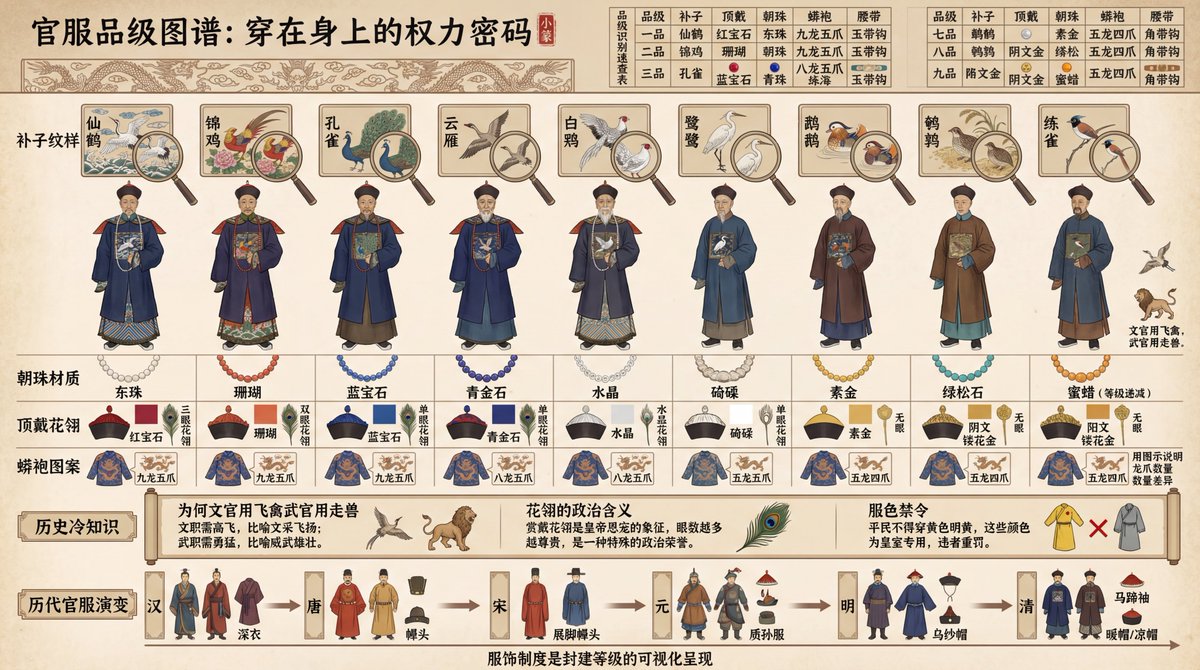
Create a historical chart styled infographic titled "Visualization and Breakdown of the Ancient Chinese Official Robe Hierarchy System" in a 16:9 horizontal layout. Utilize the aesthetics of ancient regulations and illustrations from historical texts. The image displays a comparison of the official robes of Qing Dynasty officials across nine ranks, arranged from left to right: one to nine, featuring nine official character illustrations. Above each character, use meticulous brushwork to label the "Rank Insignia Patterns" (first rank crane, second rank golden pheasant, third rank peacock... ninth rank quail, with civil officials using birds and military officials using beasts), with a magnifying glass close-up of the embroidery details. Below each character, label the "Material of Court Beads" (first rank east pearl, second rank coral, third rank sapphire... decreasing in rank), "Top Hat Feathers" (ruby/coral/sapphire/crystal, distinguished by color blocks), and "Dragon Robe Patterns" (nine dragons/five claws/four claws, illustrated to show the differences in claw numbers). At the top of the image is a "Quick Reference Table for Rank Identification": a table comparing the differences across five dimensions (insignia, top hat, court beads, dragon robe, belt) for the nine ranks, with each cell marked by small icons and text. At the bottom is "Historical Trivia": noting "Why civil officials use birds and military officials use beasts" (civil positions require soaring, military positions require bravery), "The Political Significance of Feathers" (wearing feathers is a sign of the emperor's favor), and "Clothing Color Prohibitions" (commoners are not allowed to wear bright yellow). The bottom features a timeline showcasing the "Evolution of Official Robes": a summary of the changes in official robe styles from the Han, Tang, Song, Yuan, Ming, to Qing Dynasties. All text is in Chinese: the top uses small seal script for "Official Robe Hierarchy Chart: The Power Code Worn on the Body", and the bottom notes "The clothing system is a visual representation of feudal hierarchy". The color scheme uses traditional official robe colors. Overall, it presents historical systems and clothing culture, suitable for historical education and cultural research.
Related prompts
Suggested alternatives based on similar intent and language.
Hand-Drawn Beauty Infographic
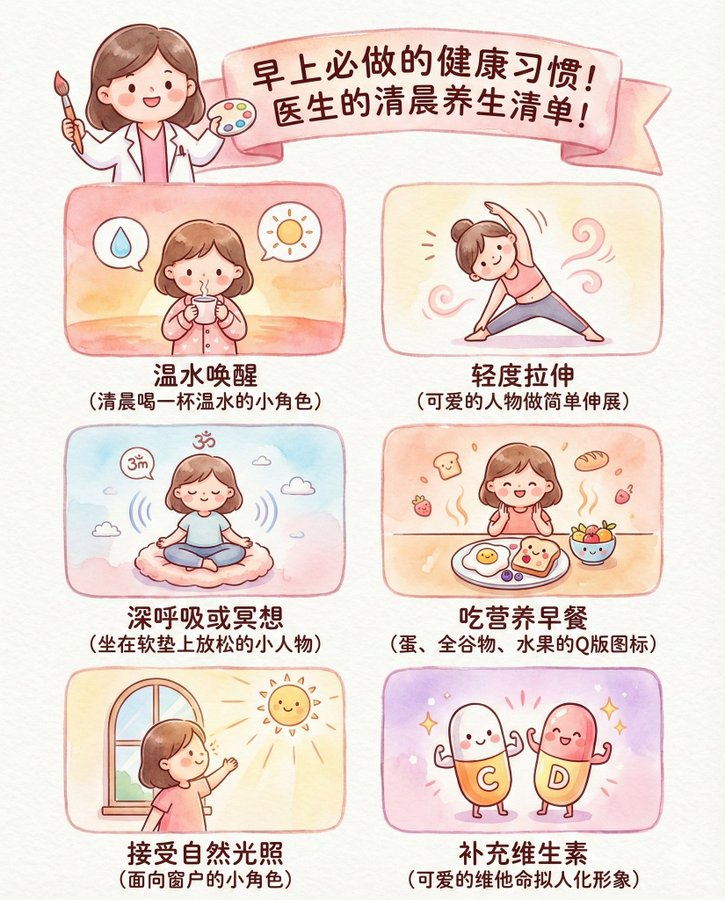
This prompt is for illustrators creating engaging infographics about beauty nutrients, helping to visually communicate health information in a friendly style.
Hand-Drawn Style Infographic Card
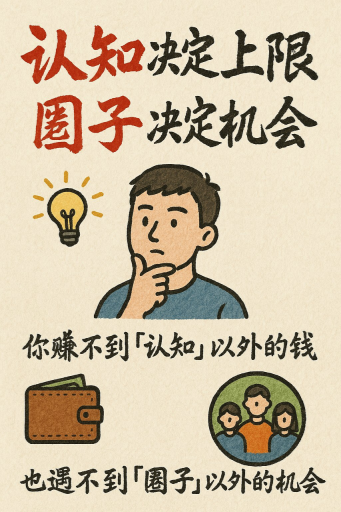
This prompt is for designers creating engaging infographics, helping them produce visually appealing hand-drawn style cards for educational or promotional purposes.
Why creators keep returning to AI Prompt Copy
AI Prompt Copy grew from late-night experiments where we packaged the most effective prompt ideas into a single workspace so every creator could ship faster.
Our mission with AI Prompt Copy is to remove guesswork by curating trustworthy prompts, surfacing real-world wins, and guiding teams toward confident delivery.
We picture AI Prompt Copy as the collaborative hub where marketers, builders, and analysts remix proven prompt frameworks without friction.
Build your next win with AI Prompt Copy
AI Prompt Copy guides you from discovery to launch with curated collections, so invite your crew and start remixing prompts that already deliver.
Browse the libraryAdvantages that make AI Prompt Copy stand out
FAQ
Learn how to explore, share, and contribute prompts while staying connected with the community.
How should I tailor Ancient Chinese Official Robe Hierarchy Chart before running it?
Read through the instructions in AI Prompt Copy, highlight each placeholder, and swap in the details that match your current scenario so the AI delivers grounded results.
What is the best way to collaborate on this prompt with my team?
Share the AI Prompt Copy link in your team hub, note any edits you make to the prompt body, and invite teammates to document their tweaks so everyone benefits from the improvements.
How can I save useful variations of this prompt?
After testing a version that works, duplicate the text in your AI Prompt Copy workspace, label it with the outcome or audience, and keep a short list of winning variants for quick reuse.
What can I do with AI Prompt Copy?
Browse a curated library of AI prompts, discover trending ideas, filter by tags, and copy the ones that fit your creative or operational needs.
How do I use a prompt from the AI Prompt Copy library?
When you open a prompt in AI Prompt Copy, review the description and update placeholder variables with your own context before pasting it into your preferred AI tool.
How can I share AI Prompt Copy prompts with my team?
Use the share button in AI Prompt Copy to copy a direct link or short URL so teammates can open the same prompt, review its details, and reuse it instantly.
Can I submit my own prompts to AI Prompt Copy?
Yes. Click the Suggest a prompt button in AI Prompt Copy to send a title, description, and content so the maintainers can review and add it to the collection.
Where do AI Prompt Copy prompts come from?
Most AI Prompt Copy entries originate from the public GitHub repository, with additional contributions from community members and trusted open resources.
How do I leave feedback or report an issue?
Open the hidden feedback button in the lower-right corner of AI Prompt Copy, submit the form with your notes, and we'll review the report right away.
How do I onboard new teammates with our prompt playbook?
Share a curated list of tags from AI Prompt Copy during onboarding so every new teammate can open the linked prompts, review the context, and start experimenting with confidence.
What workflow keeps campaign collaborators aligned?
Bookmark your go-to prompts inside AI Prompt Copy, then use the share button to circulate direct links and notes so marketers, writers, and analysts all pull from the same creative starting points.
Can I adapt prompts for teams in regulated industries?
Yes. Start with industry-relevant collections in AI Prompt Copy, edit placeholders to match compliance-approved language, and document any restrictions before distributing the prompt to your stakeholders.
Where do I find help tailoring prompts to my use case?
Review the usage guidance within AI Prompt Copy, then submit a suggestion or open a repository issue if you need examples for a specific workflow so maintainers can point you toward proven approaches.