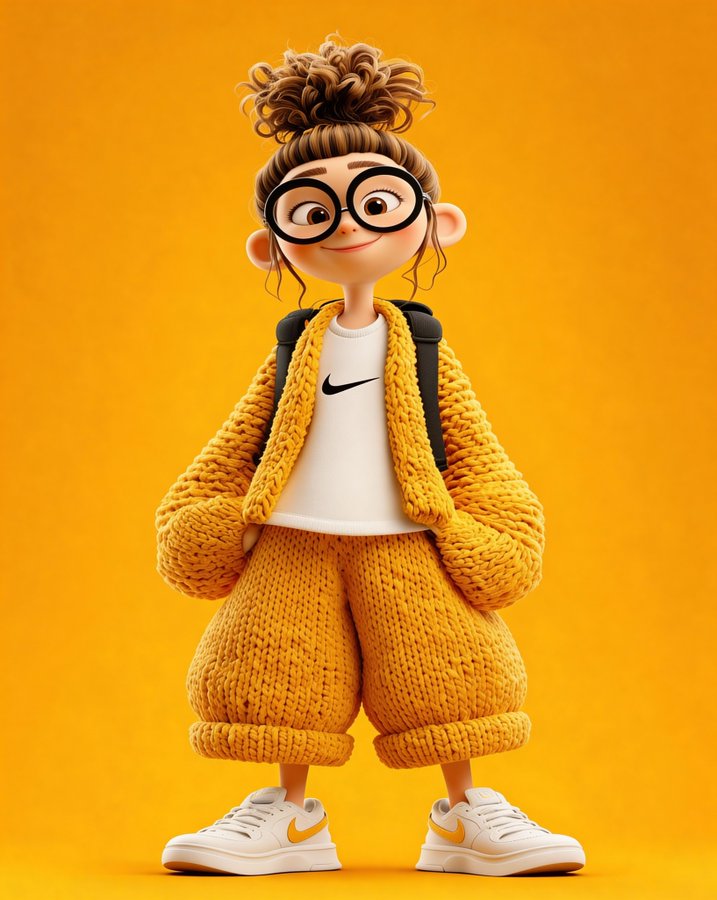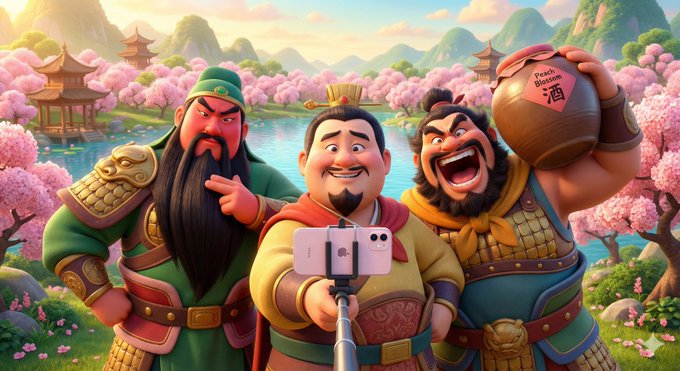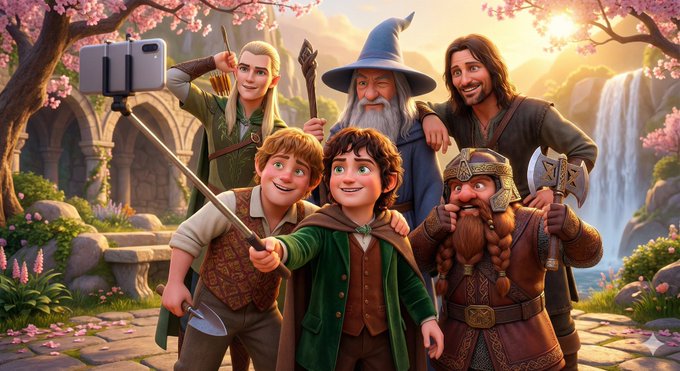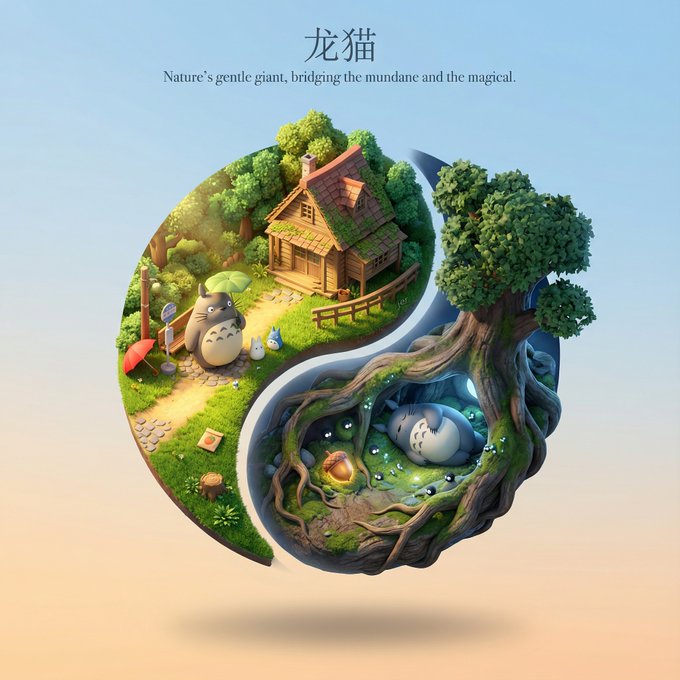
Floating Cute 3D Cartoon Diorama Scene
prompt
A clear, floating cute 3D cartoon diorama scene in a circular composition with rotational symmetry, echoing a yin-yang layout:

Scene:
- a single floating circular emblem viewed from isometric bird's-eye perspective (45° angle looking down).
- one swirling half of the circle shows [Subject]'s most iconic defining scene or aspect (primary realm).
- the opposite swirling half is the contrasting opposite realm, occupying the complementary yin-yang territory.
- both realms share the same gravity direction and isometric orientation.
- each half may be a continuous shared landmass OR two structurally separate diorama units that curve around each other, forming a recognizable yin-yang composition.

Interpret narrative essence:
- treat [Subject] as ONE overarching theme or entity with TWO conflicting aspects.
- let each realm embody one aspect in a clear, visual way: the first half leans into aspect A, the opposite half leans into aspect B.
- use characters only where they naturally serve the contrast: they may appear in one realm, both realms, or take different forms — repetition is optional, never a strict requirement.
- place 2 distinct symbolic objects, each rooted naturally in its own world, echoing each other across the curve to suggest what was abandoned or gained between these two aspects.

Yin-yang relationship:
- design the two realms as interlocking, yin-yang-like shapes inside the circle: interlocking territories that echo yin-yang flow.
- place the most focal element of each realm at its "yin-yang eye" position — the visual anchor point within each half's territory.
- the two realms should feel spatially intimate and cohesive — bring them closer together to create a unified, compact circular emblem rather than loosely scattered islands.
- the two halves are typically structurally separate with a subtle atmospheric gap, but may share ground where narrative calls for it — when adjoining, boundaries flow naturally through lighting, color temperature, and ground material shifts.
- edge treatment: encourage organic overflow at key points — tall structures gently break the circular silhouette, ground edges fade atmospherically rather than clip sharply.

Composition:
- clean, dramatic circular multiverse — the circle reads as one unified, spatially compact emblem, with two interlocking narrative poles sitting close and relating to each other.
- amplify contrast between the two realms: maximize visual tension to make the duality unmistakable.
- vast open view: the scene extends naturally to its edges without boundary walls, fences, or enclosures — the horizon remains visible and unobstructed.

Shadow:
BARELY visible, extremely soft non-contact shadow with expansive fadeout — extends well beyond the diorama's footprint with a gentle gradient that blurs into the background. Viewed from bird's-eye perspective, nearly circular in shape.

Render:
- C4D. high poly with soft shading, rounded edges and bevels.
- realistic PBR materials with tactile authenticity — avoid glossy plastic or resin appearance.
- intricate textures, delicate detail, vivid harmonized colors. SSS texture:true.
- CRITICAL: ground planes must remain flat and level with natural material textures appropriate to each realm.

Background:
- a single unified, clean, subtle gradient sky as the shared environment of both realms, providing generous breathing space around the circular diorama.

Typography (top-center, cinematic poster-style design):
- a prominent title "[Subject]" in a slim elegant serif (remove the brackets).
- beneath it, a poetic, insightful subtitle that distills the story’s deepest truth or tension into one profound line.
- create clear visual hierarchy through scale and weight contrast; allow auto line wrap and slight overlap with the top of the circle if needed.

Enhance:
- professional cinematic lighting, shaped to emphasize the contrast between the two realms while keeping both legible.
- if characters are present, use dynamic, emotionally expressive poses that clearly align with the aspect of their realm.
- strong sense of visual depth within each realm.

Scene / lighting / cultural aesthetics:
- contextually appropriate to [Subject].

Negative:
- [cropped elements at canvas edges, plastic/resin, hard cartoon outlines, underexposed, creepy, ceiling].

ar=1:1
[Subject] =
Related prompts
Suggested alternatives based on similar intent and language.
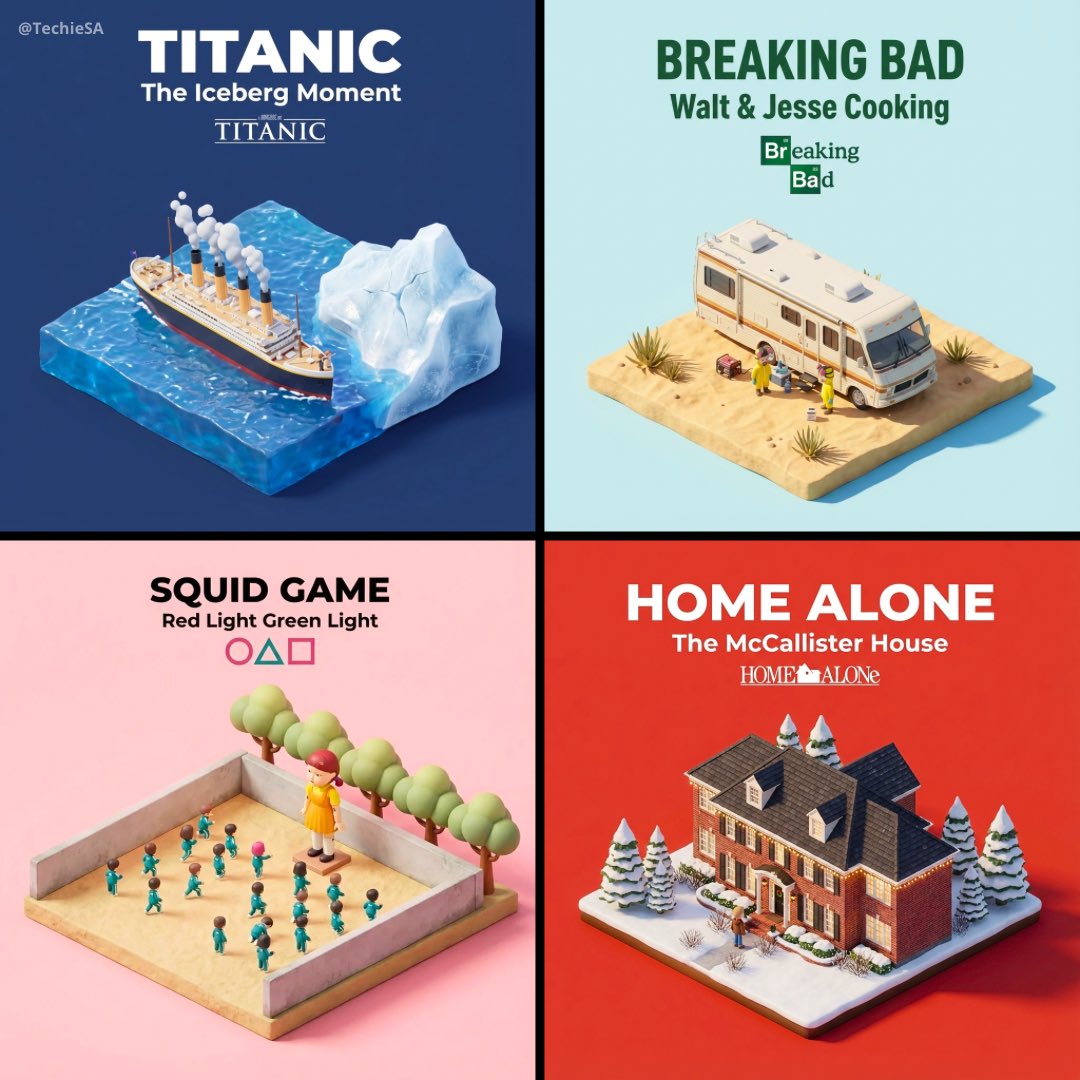
Miniature 3D Cartoon Scene
This prompt is for artists creating 3D scenes for movies or shows, helping produce visually appealing diorama-style artwork.
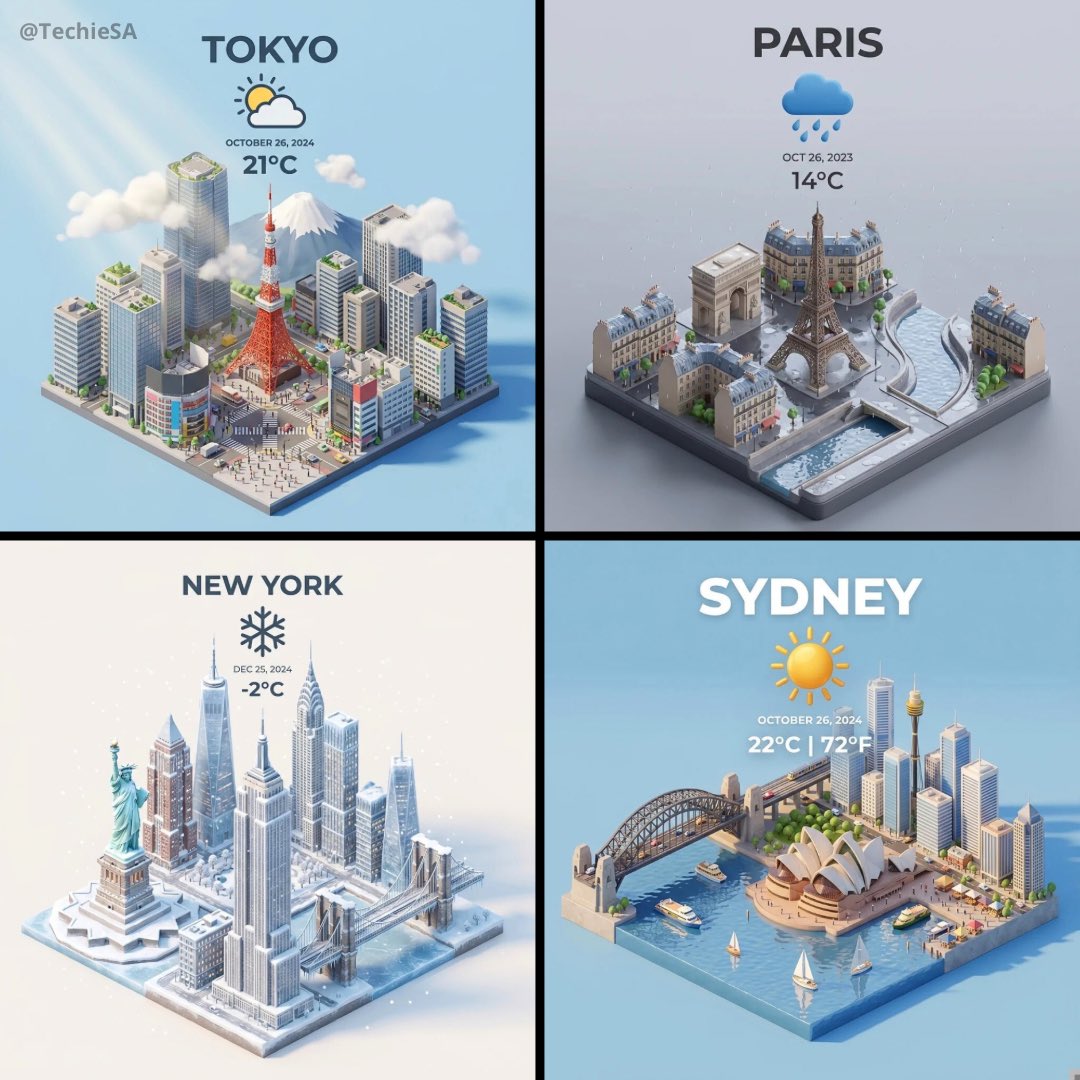
City Top-Down Isometric 3D Cartoon Miniature Scene
This prompt is for 3D artists creating a detailed isometric city scene, helping them visualize iconic landmarks with weather effects for immersive designs.
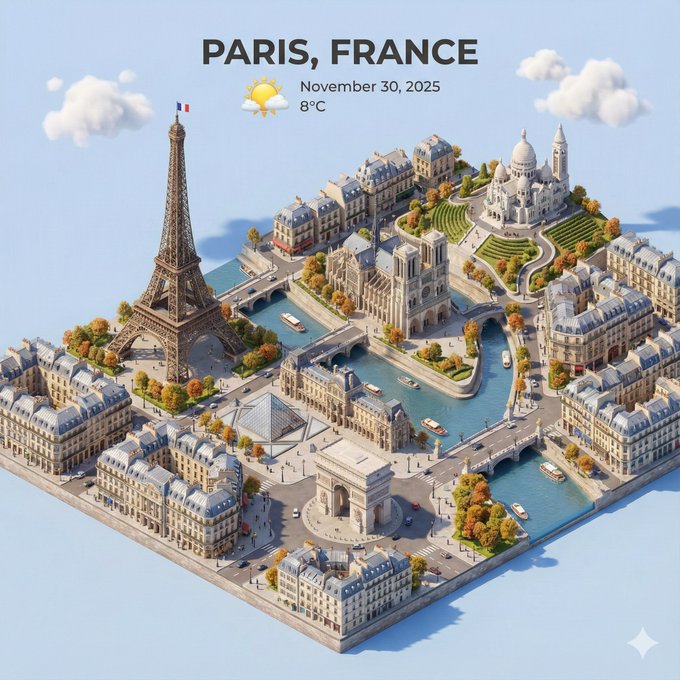
City Top-Down Isometric 3D Cartoon Miniature Scene
This prompt is for 3D artists creating a detailed isometric city scene, helping them visualize iconic landmarks with current weather effects.
Why creators keep returning to AI Prompt Copy
AI Prompt Copy grew from late-night experiments where we packaged the most effective prompt ideas into a single workspace so every creator could ship faster.
Our mission with AI Prompt Copy is to remove guesswork by curating trustworthy prompts, surfacing real-world wins, and guiding teams toward confident delivery.
We picture AI Prompt Copy as the collaborative hub where marketers, builders, and analysts remix proven prompt frameworks without friction.
Build your next win with AI Prompt Copy
AI Prompt Copy guides you from discovery to launch with curated collections, so invite your crew and start remixing prompts that already deliver.
Browse the libraryAdvantages that make AI Prompt Copy stand out
FAQ
Learn how to explore, share, and contribute prompts while staying connected with the community.
How should I tailor Floating Cute 3D Cartoon Diorama Scene before running it?
Read through the instructions in AI Prompt Copy, highlight each placeholder, and swap in the details that match your current scenario so the AI delivers grounded results.
What is the best way to collaborate on this prompt with my team?
Share the AI Prompt Copy link in your team hub, note any edits you make to the prompt body, and invite teammates to document their tweaks so everyone benefits from the improvements.
How can I save useful variations of this prompt?
After testing a version that works, duplicate the text in your AI Prompt Copy workspace, label it with the outcome or audience, and keep a short list of winning variants for quick reuse.
What can I do with AI Prompt Copy?
Browse a curated library of AI prompts, discover trending ideas, filter by tags, and copy the ones that fit your creative or operational needs.
How do I use a prompt from the AI Prompt Copy library?
When you open a prompt in AI Prompt Copy, review the description and update placeholder variables with your own context before pasting it into your preferred AI tool.
How can I share AI Prompt Copy prompts with my team?
Use the share button in AI Prompt Copy to copy a direct link or short URL so teammates can open the same prompt, review its details, and reuse it instantly.
Can I submit my own prompts to AI Prompt Copy?
Yes. Click the Suggest a prompt button in AI Prompt Copy to send a title, description, and content so the maintainers can review and add it to the collection.
Where do AI Prompt Copy prompts come from?
Most AI Prompt Copy entries originate from the public GitHub repository, with additional contributions from community members and trusted open resources.
How do I leave feedback or report an issue?
Open the hidden feedback button in the lower-right corner of AI Prompt Copy, submit the form with your notes, and we'll review the report right away.
How do I onboard new teammates with our prompt playbook?
Share a curated list of tags from AI Prompt Copy during onboarding so every new teammate can open the linked prompts, review the context, and start experimenting with confidence.
What workflow keeps campaign collaborators aligned?
Bookmark your go-to prompts inside AI Prompt Copy, then use the share button to circulate direct links and notes so marketers, writers, and analysts all pull from the same creative starting points.
Can I adapt prompts for teams in regulated industries?
Yes. Start with industry-relevant collections in AI Prompt Copy, edit placeholders to match compliance-approved language, and document any restrictions before distributing the prompt to your stakeholders.
Where do I find help tailoring prompts to my use case?
Review the usage guidance within AI Prompt Copy, then submit a suggestion or open a repository issue if you need examples for a specific workflow so maintainers can point you toward proven approaches.