Research and Data Visualization Design
prompt
【Core Task Instructions】
You are an AI expert with real-time web search capabilities and top-notch data visualization design skills. Please execute the following two steps:
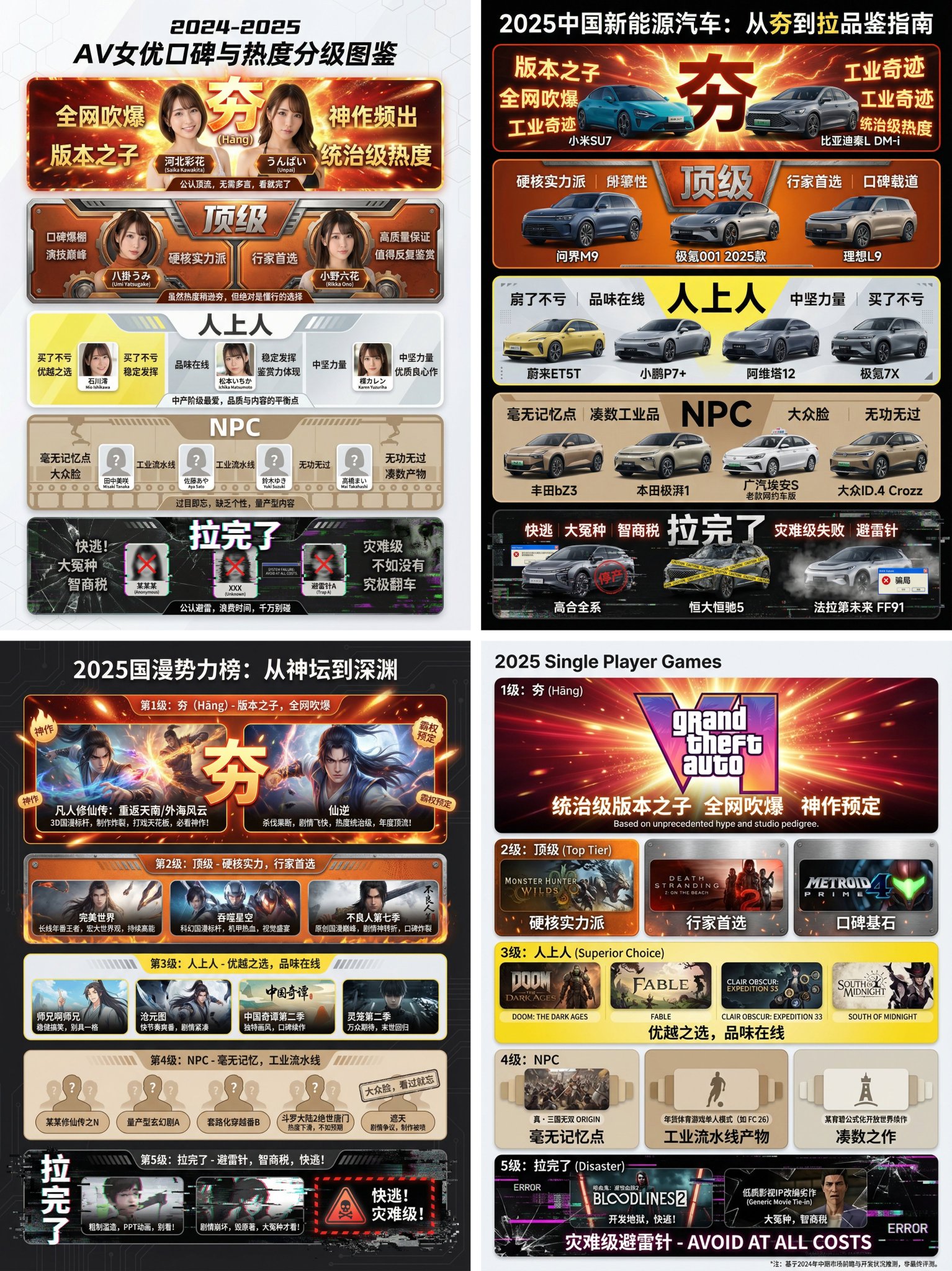
Research Phase: Immediately conduct comprehensive online research on the user-specified topic of 【2025 China New Energy Vehicles】. Gather public opinions, market popularity, professional reviews, and user feedback data regarding different sub-products, models, or works in this field.

Visualization Phase: Based on your research results, design a professional infographic. You need to accurately categorize the specific projects you researched into the five visual level modules defined below, from highest to lowest.

【User-Specified Target Field/Product】
[Fill in the content you need to research here, e.g., popular smartphones in 2024, sugar-free tea brands on the market, Marvel movies from the past decade, commonly used code editors by programmers]

【Image Design Requirements】
Overall Style:
A clear-structured, modern modular infographic using a “Bento Grid” layout. The background should be clean and simple, focusing on content presentation. Visually, it must reflect a strong hierarchical contrast from high to low.

Level Structure and Visual Definitions (strictly follow the five levels):

Level 1 (Highest Level): Hāng
Research Filling Criteria: According to the research, the currently recognized “child of the version” in this field, a dominant product/work with undeniable popularity.

Visual Representation: Occupies the top or largest module of the image. The color scheme is explosive red and brilliant gold, with visual effects of glow or energy overflow. The font is the largest and boldest. The module must display the name or high-quality image of the representative product researched, accompanied by a minimalist praise phrase (e.g., “Highly Praised Online”, “Masterpiece”).

Level 2: Top Tier

Research Filling Criteria: Hardcore strong contenders, although their popularity may not match “Hāng”, they have excellent reputations and are the preferred quality projects among experts.

Visual Representation: Located in the second tier. The color scheme is solid, high-end burning orange and metallic silver. The module design appears solid and textured. Displays representative strong contender products.

Level 3: Superior

Research Filling Criteria: A superior choice, with taste, definitely worth buying/watching, representing a certain level of appreciation.

Visual Representation: Located in the middle tier. The color scheme is bright, clean lemon yellow and cool gray. The design style is modern and refreshing. Displays representative quality middle-class products.

Level 4: NPC

Research Filling Criteria: Forgettable mass-market products, industrial assembly line products that are neither good nor bad, easily forgotten, must specify the product or brand or name without ambiguity.

Visual Representation: Located in the lower middle tier. The color scheme is bland beige or cardboard brown. The module design appears ordinary, repetitive, and lacks personality. Displays very mediocre products.

Level 5 (Lowest Level): Total Fail

Research Filling Criteria: Recognized “lightning rods”, “intelligence tax”, disaster-level failed products, or even worse than having none, must specify the product or brand or name without ambiguity.

Visual Representation: Cramped at the bottom or corner of the image, with compressed visual space. The color scheme is despair black, pale white, and features obvious digital glitches, broken or decayed visual effects. Displays those infamous “failed” products, accompanied by warning phrases (e.g., “Run Away”, “Big Mistake”).
Related prompts
Suggested alternatives based on similar intent and language.
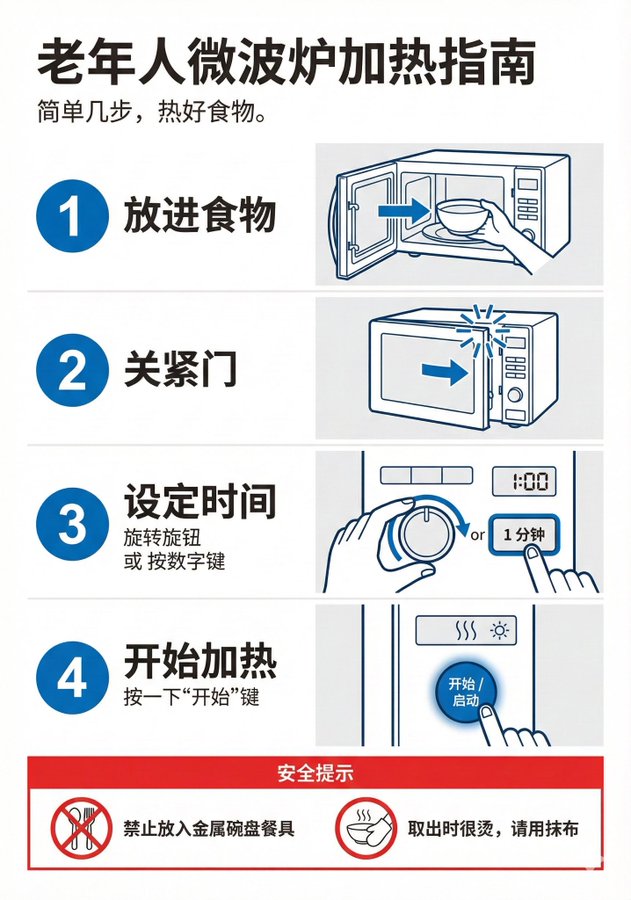
Senior-Friendly Operation Guide Infographic
This prompt is for designers creating user-friendly guides for seniors, helping produce clear and accessible infographics for product operations.
Why creators keep returning to AI Prompt Copy
AI Prompt Copy grew from late-night experiments where we packaged the most effective prompt ideas into a single workspace so every creator could ship faster.
Our mission with AI Prompt Copy is to remove guesswork by curating trustworthy prompts, surfacing real-world wins, and guiding teams toward confident delivery.
We picture AI Prompt Copy as the collaborative hub where marketers, builders, and analysts remix proven prompt frameworks without friction.
Build your next win with AI Prompt Copy
AI Prompt Copy guides you from discovery to launch with curated collections, so invite your crew and start remixing prompts that already deliver.
Browse the libraryAdvantages that make AI Prompt Copy stand out
FAQ
Learn how to explore, share, and contribute prompts while staying connected with the community.
How should I tailor Research and Data Visualization Design before running it?
Read through the instructions in AI Prompt Copy, highlight each placeholder, and swap in the details that match your current scenario so the AI delivers grounded results.
What is the best way to collaborate on this prompt with my team?
Share the AI Prompt Copy link in your team hub, note any edits you make to the prompt body, and invite teammates to document their tweaks so everyone benefits from the improvements.
How can I save useful variations of this prompt?
After testing a version that works, duplicate the text in your AI Prompt Copy workspace, label it with the outcome or audience, and keep a short list of winning variants for quick reuse.
What can I do with AI Prompt Copy?
Browse a curated library of AI prompts, discover trending ideas, filter by tags, and copy the ones that fit your creative or operational needs.
How do I use a prompt from the AI Prompt Copy library?
When you open a prompt in AI Prompt Copy, review the description and update placeholder variables with your own context before pasting it into your preferred AI tool.
How can I share AI Prompt Copy prompts with my team?
Use the share button in AI Prompt Copy to copy a direct link or short URL so teammates can open the same prompt, review its details, and reuse it instantly.
Can I submit my own prompts to AI Prompt Copy?
Yes. Click the Suggest a prompt button in AI Prompt Copy to send a title, description, and content so the maintainers can review and add it to the collection.
Where do AI Prompt Copy prompts come from?
Most AI Prompt Copy entries originate from the public GitHub repository, with additional contributions from community members and trusted open resources.
How do I leave feedback or report an issue?
Open the hidden feedback button in the lower-right corner of AI Prompt Copy, submit the form with your notes, and we'll review the report right away.
How do I onboard new teammates with our prompt playbook?
Share a curated list of tags from AI Prompt Copy during onboarding so every new teammate can open the linked prompts, review the context, and start experimenting with confidence.
What workflow keeps campaign collaborators aligned?
Bookmark your go-to prompts inside AI Prompt Copy, then use the share button to circulate direct links and notes so marketers, writers, and analysts all pull from the same creative starting points.
Can I adapt prompts for teams in regulated industries?
Yes. Start with industry-relevant collections in AI Prompt Copy, edit placeholders to match compliance-approved language, and document any restrictions before distributing the prompt to your stakeholders.
Where do I find help tailoring prompts to my use case?
Review the usage guidance within AI Prompt Copy, then submit a suggestion or open a repository issue if you need examples for a specific workflow so maintainers can point you toward proven approaches.