prompt
<instruction> (Instruction)
Analyze the overall composition of the input image. Identify all key subjects present (whether individuals, groups/couples, vehicles, or specific objects) and their spatial relationships/interactions.
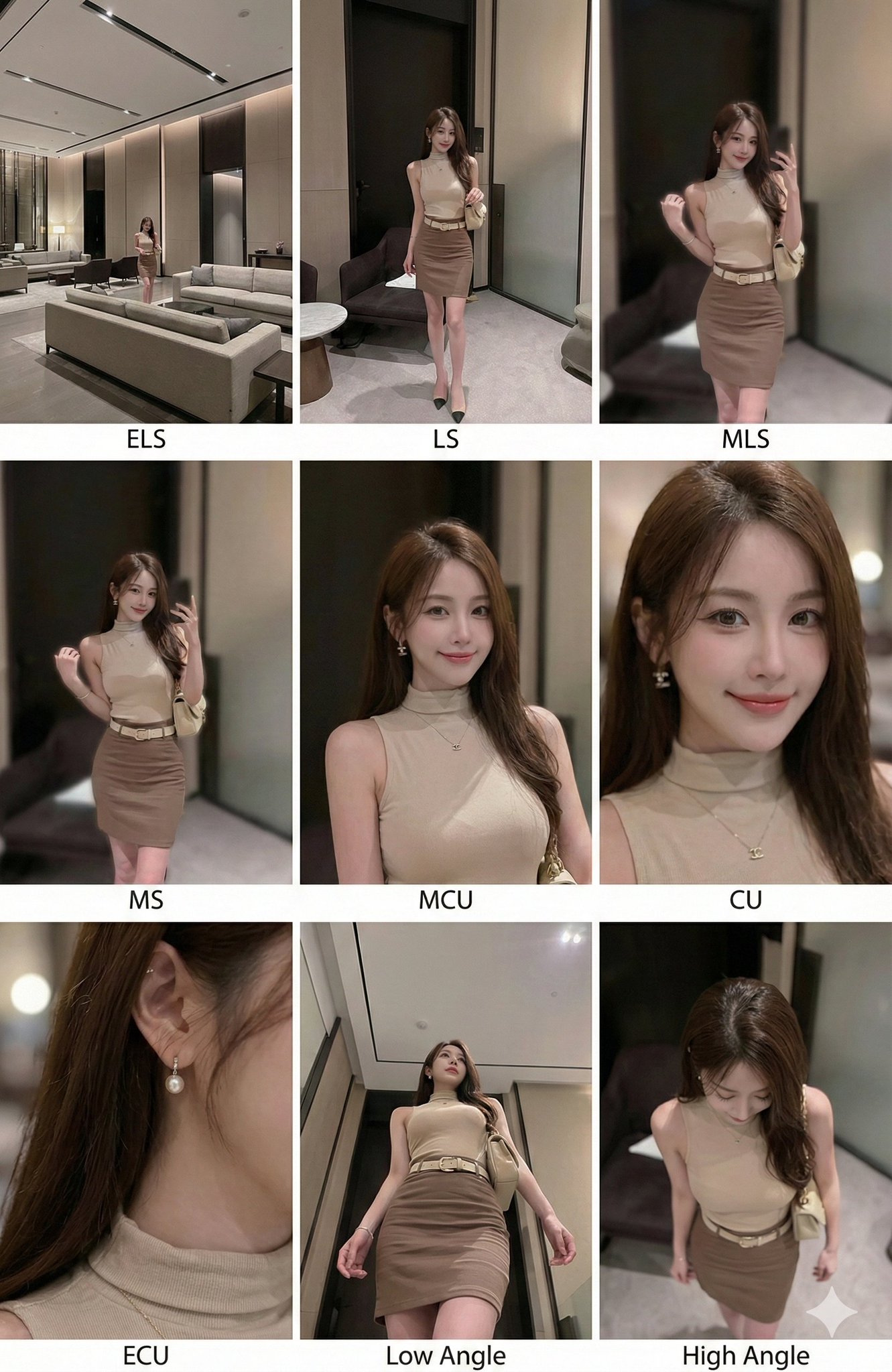
Generate a coherent 3x3 grid "Contact Sheet" showcasing 9 different shots of these subjects entirely within the same environment.
You must adjust standard film shot types to fit the content (for example, if it's a group, keep the group together; if it's an object, the composition should include the entire object):
Row 1 (Establishing Background):
1. Extreme Long Shot (ELS): The subject appears small in a vast environment.
2. Long Shot (LS): The entire subject or group is visible from top to bottom (from head to toe / from wheel to roof).
3. Medium Long Shot (American Shot/Three-Quarter): Composition from above the knees (for people) or a 3/4 view (for objects).
Row 2 (Core Coverage):
4. Medium Shot (MS): Composition from the waist up (or the center core of the object). Focus on interaction/action.
5. Medium Close-Up (MCU): Composition from the chest up. Intimate composition of the main subject.
6. Close-Up (CU): Tight composition on the face or the "front" of the object.
Row 3 (Details and Angles):
7. Extreme Close-Up (ECU): Strong focus on key features (eyes, hands, signs, textures) in macro detail.
8. Low Angle Shot (Worm's Eye View): Looking up at the subject from the ground (spectacular/heroic feel).
9. High Angle Shot (Bird's Eye View): Looking down at the subject from above.
Ensure strict consistency: all 9 panels feature the same characters/objects, the same clothing, and the same lighting. Depth of field should realistically vary (background blurred in close-up shots).
</instruction>
A professional 3x3 film storyboard grid containing 9 panels.
The grid showcases a comprehensive range of focal lengths for specific subjects/scenes in the input image.
Top row: Wide environmental shots, full view, 3/4 cut (above the knees).
Middle row: Waist-up view, chest-up view, face/front close-up.
Bottom row: Macro details, low angle, high angle.
All frames have photorealistic textures, consistent cinematic color grading, and the correct composition for the specific number of analyzed subjects or objects.
Related prompts
Suggested alternatives based on similar intent and language.
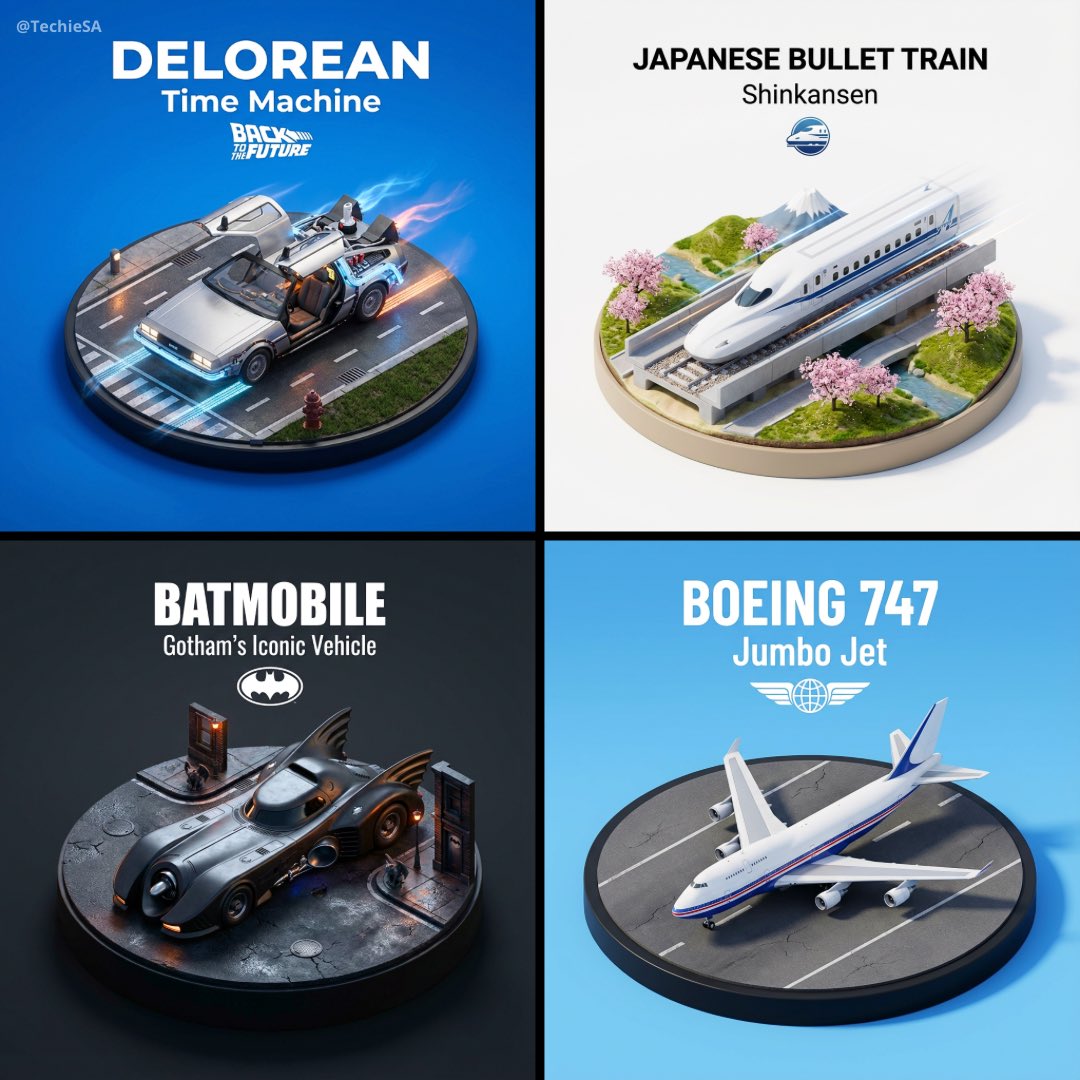
Miniature 3D Model
This prompt is for designers creating 3D dioramas of vehicles, helping produce visually appealing and recognizable miniature models.
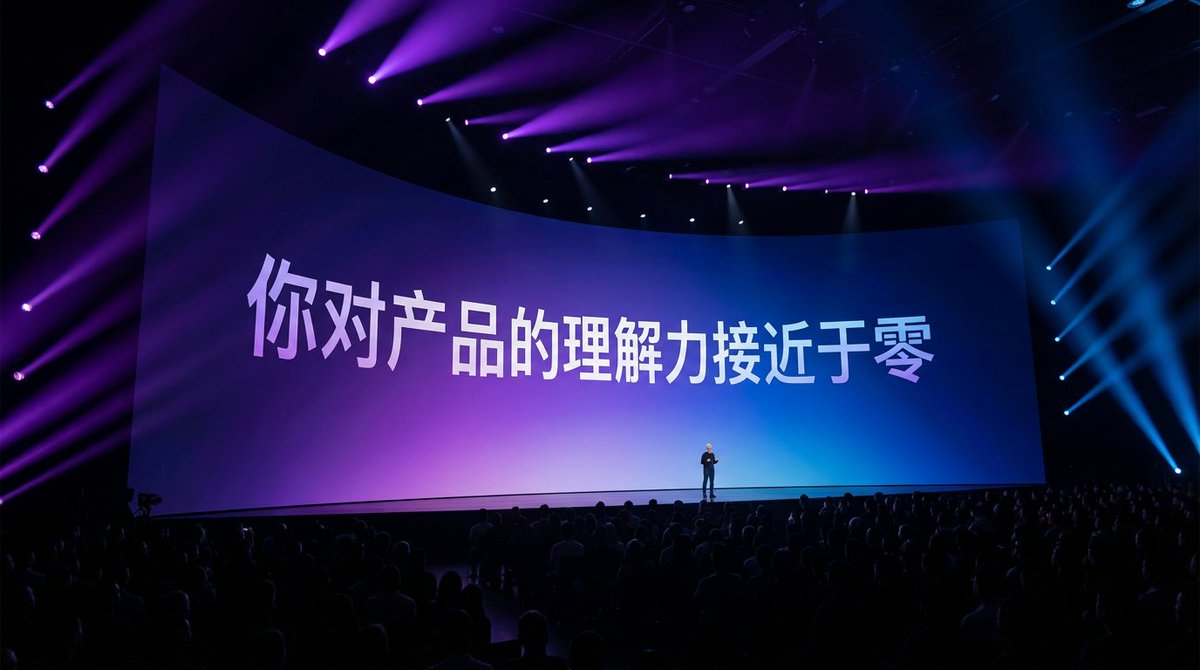
Generate Event Images Based on Text
This prompt is for event planners needing visuals; it creates striking images for promotional materials based on descriptive text.
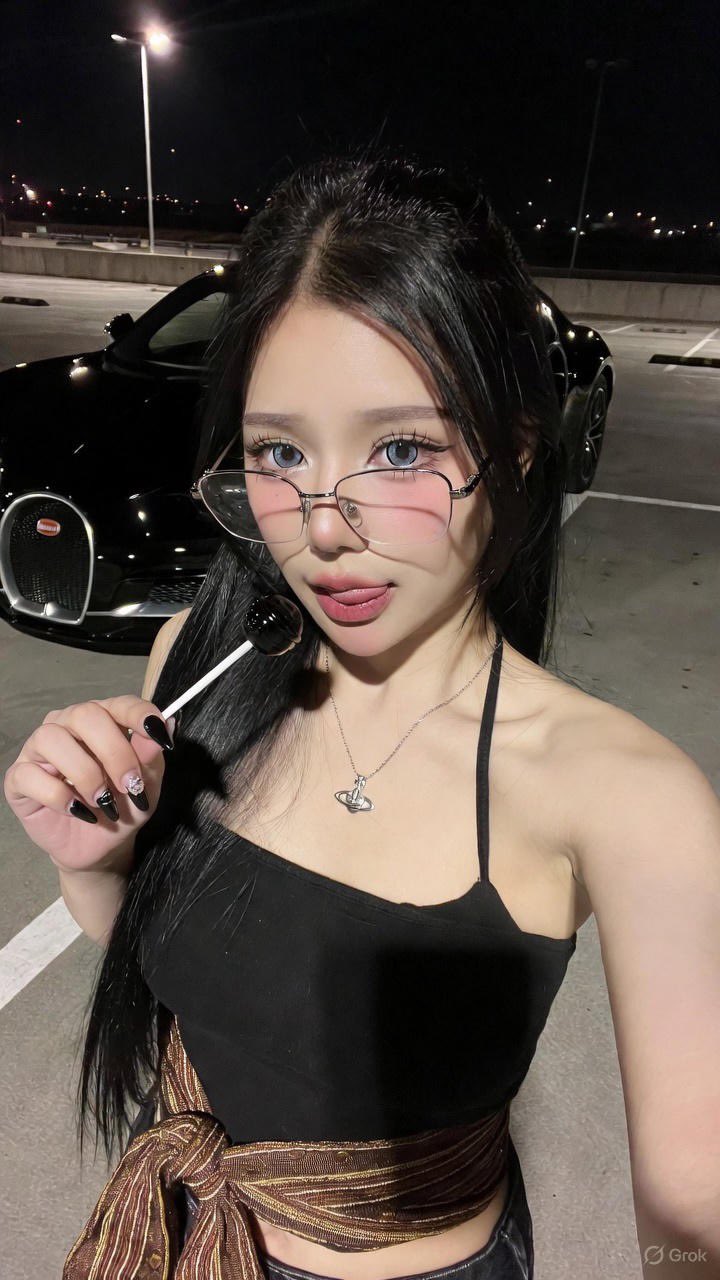
Selfie of a Girl Sticking Out Her Tongue at Night
This prompt is for artists or designers creating a night-time selfie image of a young Asian woman, aiming for a stylish and realistic portrait.
Why creators keep returning to AI Prompt Copy
AI Prompt Copy grew from late-night experiments where we packaged the most effective prompt ideas into a single workspace so every creator could ship faster.
Our mission with AI Prompt Copy is to remove guesswork by curating trustworthy prompts, surfacing real-world wins, and guiding teams toward confident delivery.
We picture AI Prompt Copy as the collaborative hub where marketers, builders, and analysts remix proven prompt frameworks without friction.
Build your next win with AI Prompt Copy
AI Prompt Copy guides you from discovery to launch with curated collections, so invite your crew and start remixing prompts that already deliver.
Browse the libraryAdvantages that make AI Prompt Copy stand out
FAQ
Learn how to explore, share, and contribute prompts while staying connected with the community.
How should I tailor Generate 9 Different Shots from One Image before running it?
Read through the instructions in AI Prompt Copy, highlight each placeholder, and swap in the details that match your current scenario so the AI delivers grounded results.
What is the best way to collaborate on this prompt with my team?
Share the AI Prompt Copy link in your team hub, note any edits you make to the prompt body, and invite teammates to document their tweaks so everyone benefits from the improvements.
How can I save useful variations of this prompt?
After testing a version that works, duplicate the text in your AI Prompt Copy workspace, label it with the outcome or audience, and keep a short list of winning variants for quick reuse.
What can I do with AI Prompt Copy?
Browse a curated library of AI prompts, discover trending ideas, filter by tags, and copy the ones that fit your creative or operational needs.
How do I use a prompt from the AI Prompt Copy library?
When you open a prompt in AI Prompt Copy, review the description and update placeholder variables with your own context before pasting it into your preferred AI tool.
How can I share AI Prompt Copy prompts with my team?
Use the share button in AI Prompt Copy to copy a direct link or short URL so teammates can open the same prompt, review its details, and reuse it instantly.
Can I submit my own prompts to AI Prompt Copy?
Yes. Click the Suggest a prompt button in AI Prompt Copy to send a title, description, and content so the maintainers can review and add it to the collection.
Where do AI Prompt Copy prompts come from?
Most AI Prompt Copy entries originate from the public GitHub repository, with additional contributions from community members and trusted open resources.
How do I leave feedback or report an issue?
Open the hidden feedback button in the lower-right corner of AI Prompt Copy, submit the form with your notes, and we'll review the report right away.
How do I onboard new teammates with our prompt playbook?
Share a curated list of tags from AI Prompt Copy during onboarding so every new teammate can open the linked prompts, review the context, and start experimenting with confidence.
What workflow keeps campaign collaborators aligned?
Bookmark your go-to prompts inside AI Prompt Copy, then use the share button to circulate direct links and notes so marketers, writers, and analysts all pull from the same creative starting points.
Can I adapt prompts for teams in regulated industries?
Yes. Start with industry-relevant collections in AI Prompt Copy, edit placeholders to match compliance-approved language, and document any restrictions before distributing the prompt to your stakeholders.
Where do I find help tailoring prompts to my use case?
Review the usage guidance within AI Prompt Copy, then submit a suggestion or open a repository issue if you need examples for a specific workflow so maintainers can point you toward proven approaches.