prompt
{
"image_type": "photographic portrait",
"style": "studio portrait, cinematic, minimalist",
"composition": {
"orientation": "portrait",
"framing": "full body from extreme high angle",
"subject_position": "centered",
"camera_angle": "top-down (bird’s-eye / overhead)",
"lens_distortion": "strong wide-angle perspective exaggeration",
"negative_space": "extensive surrounding empty space",
"perspective": "dramatic overhead with subject looking up"
},
"subject": {
"count": 1,
"description": "young person with glasses",
"pose": "standing upright, shoulders slightly forward, arms relaxed",
"expression": "soft, introspective, mildly curious",
"gaze": "looking directly up at the camera",
"accessories": [
"round eyeglasses"
],
"clothing": {
"outerwear": "dark brown jacket",
"innerwear": "light-colored knit or textured shirt",
"style": "casual, understated"
}
},
"facial_details": {
"features": "rounded face, soft jawline",
"emotion": "calm, thoughtful",
"eye_emphasis": "enhanced by glasses and upward gaze"
},
"lighting": {
"type": "studio lighting",
"setup": "top-centered soft light with gradual falloff",
"contrast": "low to moderate",
"shadows": "subtle shadows beneath chin and body",
"vignette": "strong radial vignette darkening toward edges"
},
"color": {
"palette": [
"cool gray",
"charcoal",
"muted brown",
"soft beige"
],
"temperature": "cool-neutral",
"saturation": "low",
"mood": "quiet, contemplative"
},
"background": {
"environment": "studio",
"surface": "smooth seamless floor",
"gradient": "radial gradient from light center to dark edges",
"distractions": "none"
},
"technical_details": {
"camera_type": "digital",
"lens": "ultra-wide or fisheye-style wide-angle",
"depth_of_field": "deep (entire subject in focus)",
"sharpness": "high center sharpness with slight edge softness",
"noise": "minimal",
"post_processing": [
"contrast shaping",
"cool color grading",
"vignette enhancement",
"perspective exaggeration"
]
},
"artistic_elements": {
"concept": "isolation and vulnerability through scale and perspective",
"visual_metaphor": "small subject surrounded by vast empty space",
"aesthetic_influences": [
"editorial portrait photography",
"modern studio minimalism",
"cinematic overhead compositions"
]
},
"typography": {
"presence": false
},
"overall_mood": "intimate, introspective, slightly surreal",
"intended_use": [
"editorial portrait",
"conceptual photography reference",
"AI image generation style guide"
]
}Related prompts
Suggested alternatives based on similar intent and language.
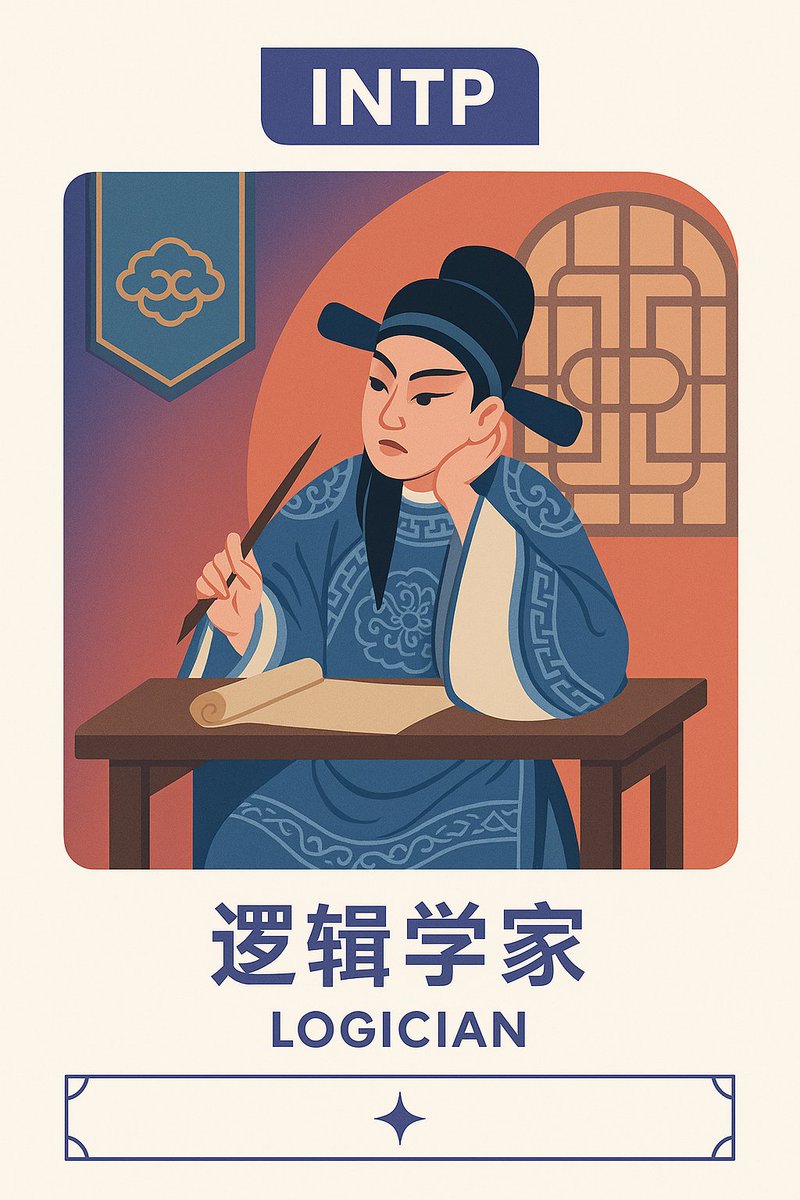
MBTI Personality Type Card for Famous Peking Opera Scenes
This prompt is for graphic designers creating MBTI personality cards, helping them visually represent INTP traits through Peking opera scenes.
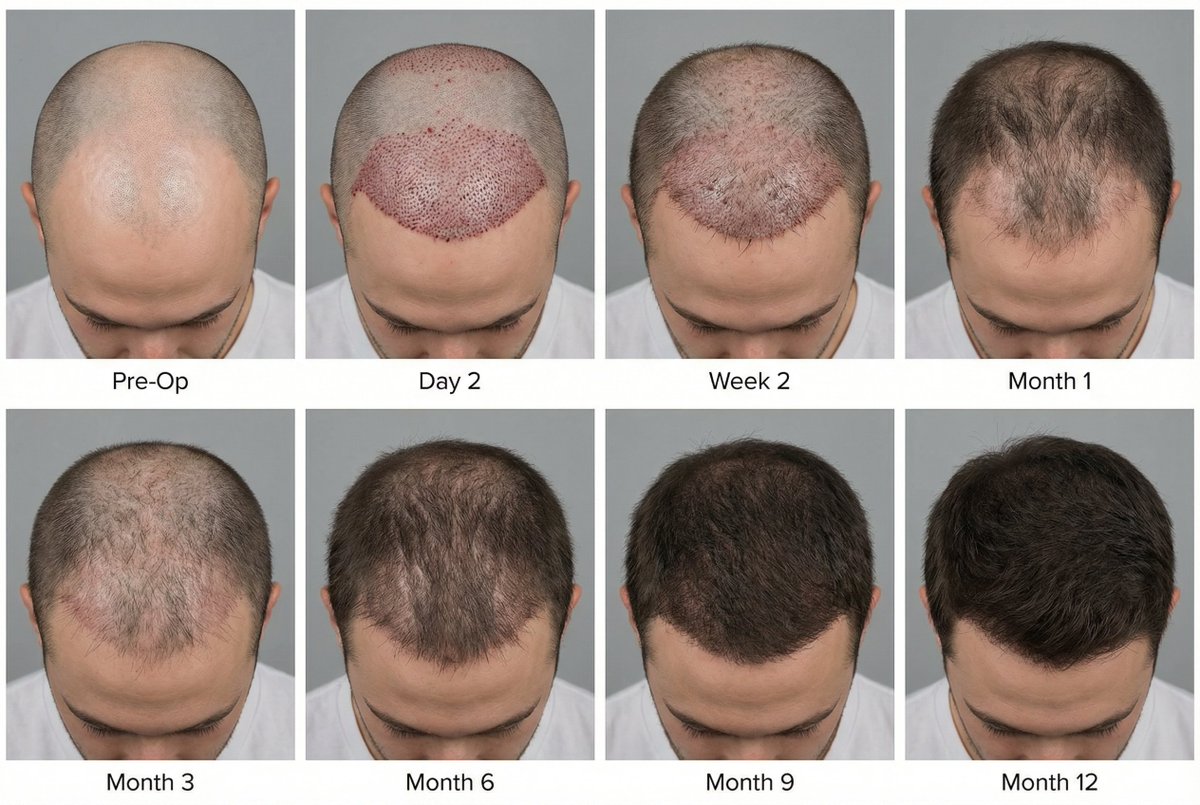
One Year Change in Hair Transplant
This prompt is for medical professionals documenting hair transplant progress, helping produce detailed visual timelines of patient outcomes.
Why creators keep returning to AI Prompt Copy
AI Prompt Copy grew from late-night experiments where we packaged the most effective prompt ideas into a single workspace so every creator could ship faster.
Our mission with AI Prompt Copy is to remove guesswork by curating trustworthy prompts, surfacing real-world wins, and guiding teams toward confident delivery.
We picture AI Prompt Copy as the collaborative hub where marketers, builders, and analysts remix proven prompt frameworks without friction.
Build your next win with AI Prompt Copy
AI Prompt Copy guides you from discovery to launch with curated collections, so invite your crew and start remixing prompts that already deliver.
Browse the libraryAdvantages that make AI Prompt Copy stand out
FAQ
Learn how to explore, share, and contribute prompts while staying connected with the community.
How should I tailor Upward Gaze in a Minimalist Space before running it?
Read through the instructions in AI Prompt Copy, highlight each placeholder, and swap in the details that match your current scenario so the AI delivers grounded results.
What is the best way to collaborate on this prompt with my team?
Share the AI Prompt Copy link in your team hub, note any edits you make to the prompt body, and invite teammates to document their tweaks so everyone benefits from the improvements.
How can I save useful variations of this prompt?
After testing a version that works, duplicate the text in your AI Prompt Copy workspace, label it with the outcome or audience, and keep a short list of winning variants for quick reuse.
What can I do with AI Prompt Copy?
Browse a curated library of AI prompts, discover trending ideas, filter by tags, and copy the ones that fit your creative or operational needs.
How do I use a prompt from the AI Prompt Copy library?
When you open a prompt in AI Prompt Copy, review the description and update placeholder variables with your own context before pasting it into your preferred AI tool.
How can I share AI Prompt Copy prompts with my team?
Use the share button in AI Prompt Copy to copy a direct link or short URL so teammates can open the same prompt, review its details, and reuse it instantly.
Can I submit my own prompts to AI Prompt Copy?
Yes. Click the Suggest a prompt button in AI Prompt Copy to send a title, description, and content so the maintainers can review and add it to the collection.
Where do AI Prompt Copy prompts come from?
Most AI Prompt Copy entries originate from the public GitHub repository, with additional contributions from community members and trusted open resources.
How do I leave feedback or report an issue?
Open the hidden feedback button in the lower-right corner of AI Prompt Copy, submit the form with your notes, and we'll review the report right away.
How do I onboard new teammates with our prompt playbook?
Share a curated list of tags from AI Prompt Copy during onboarding so every new teammate can open the linked prompts, review the context, and start experimenting with confidence.
What workflow keeps campaign collaborators aligned?
Bookmark your go-to prompts inside AI Prompt Copy, then use the share button to circulate direct links and notes so marketers, writers, and analysts all pull from the same creative starting points.
Can I adapt prompts for teams in regulated industries?
Yes. Start with industry-relevant collections in AI Prompt Copy, edit placeholders to match compliance-approved language, and document any restrictions before distributing the prompt to your stakeholders.
Where do I find help tailoring prompts to my use case?
Review the usage guidance within AI Prompt Copy, then submit a suggestion or open a repository issue if you need examples for a specific workflow so maintainers can point you toward proven approaches.