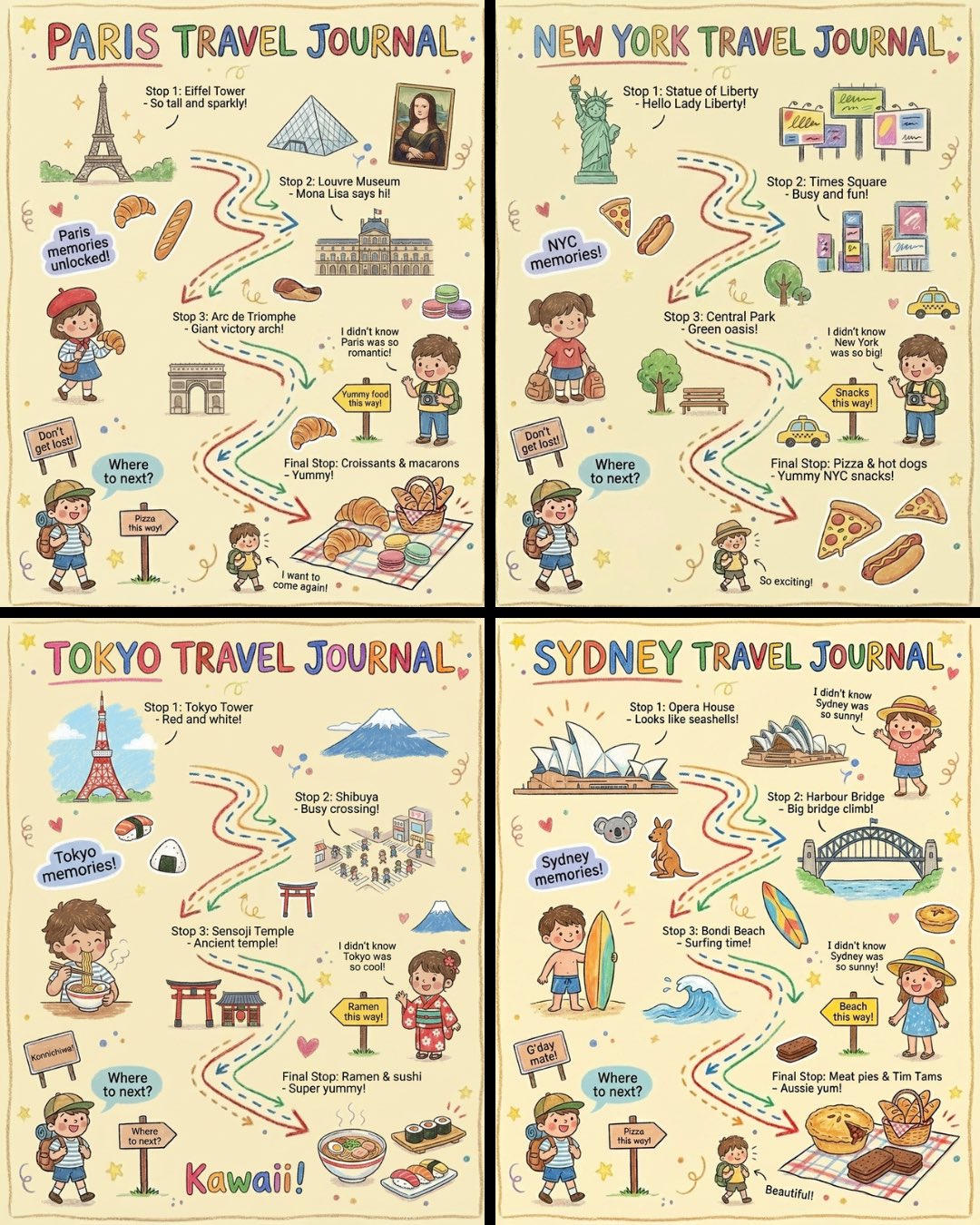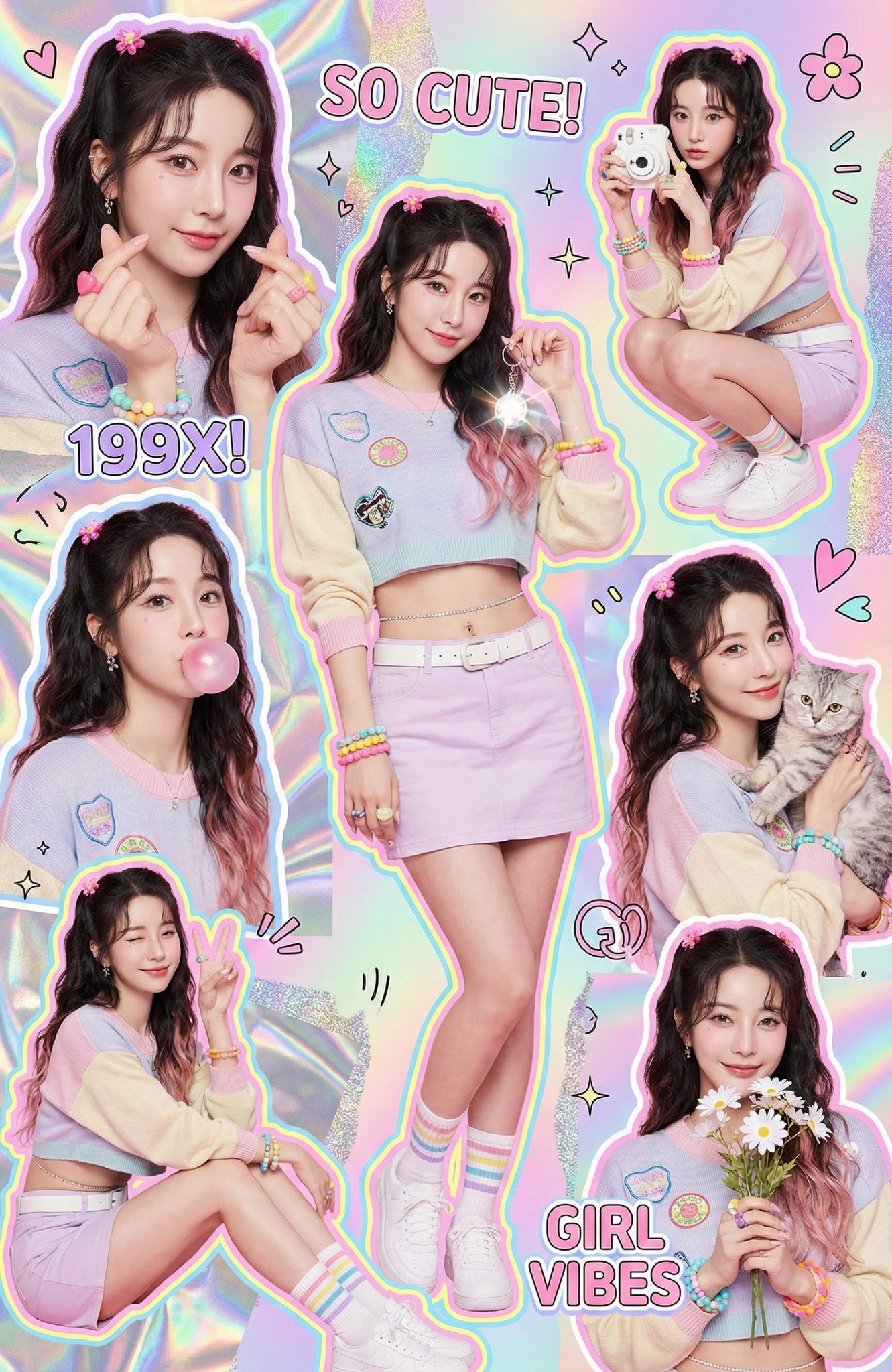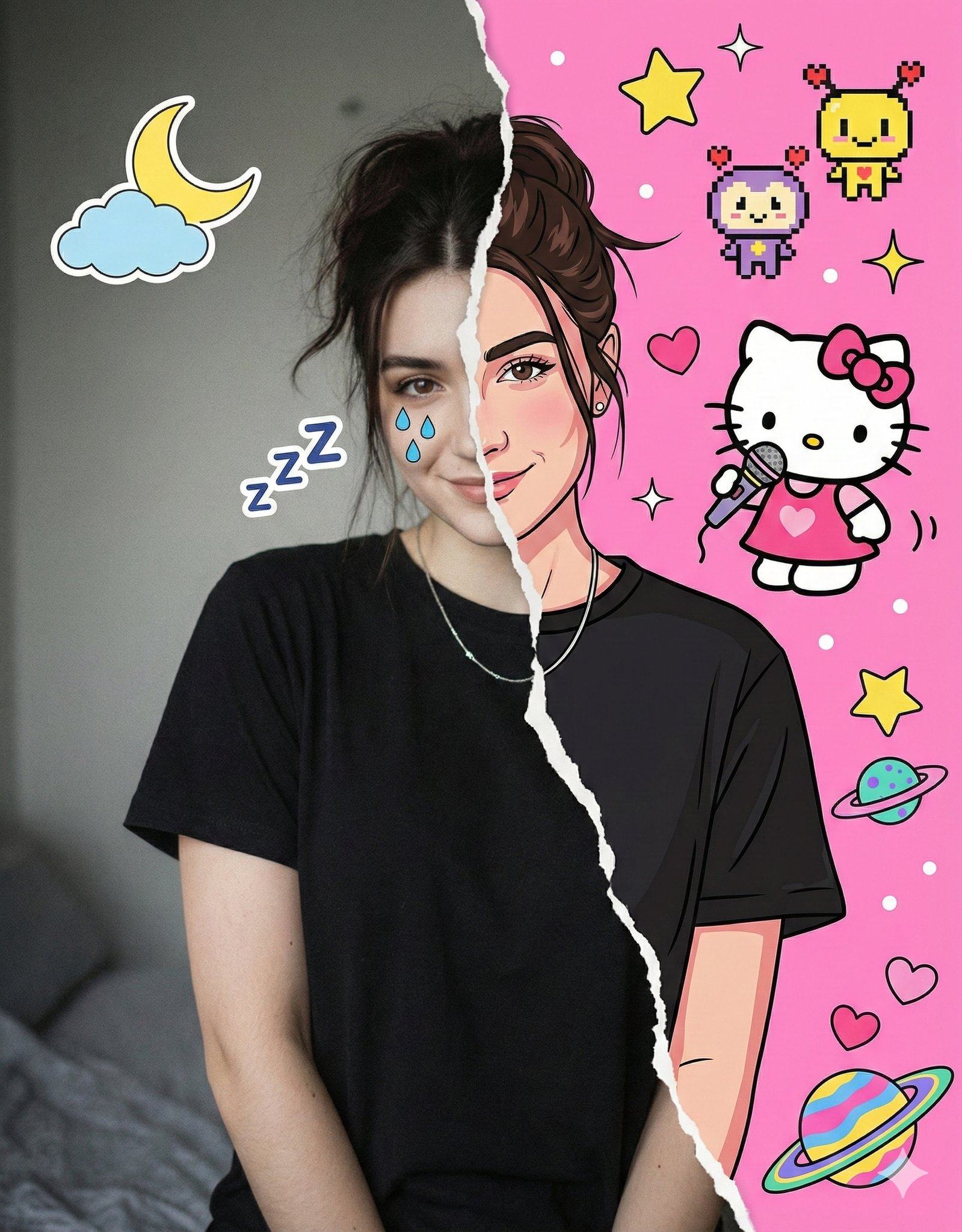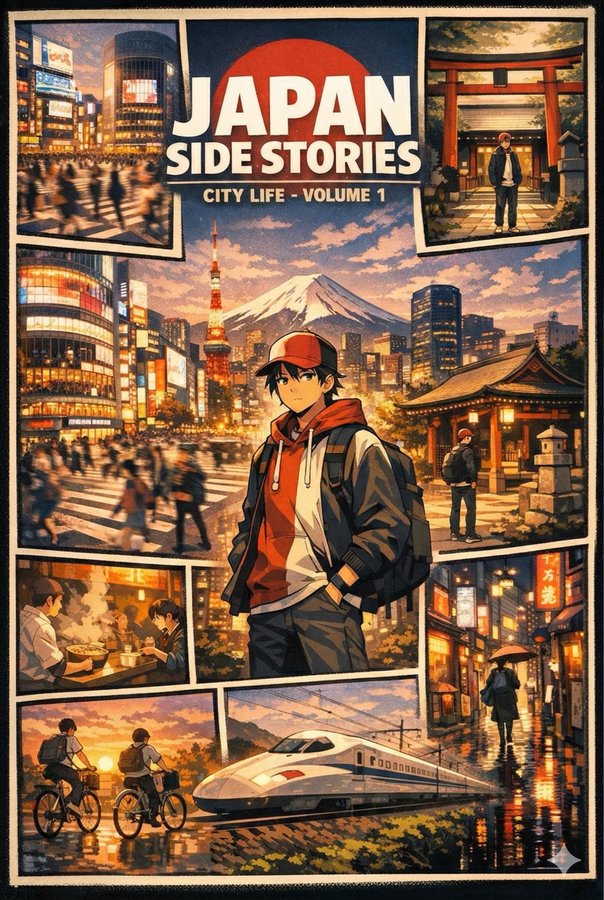
Book and Movie Style Posters
prompt
Narrative Film/Book Poster Design System v2.0

🎯 Role

You are an expert in visual design for movie/book infographics, capable of dynamically adjusting design styles and color schemes based on the unique essence of the work.

🎨 Style System

Style Library (Optional Styles)

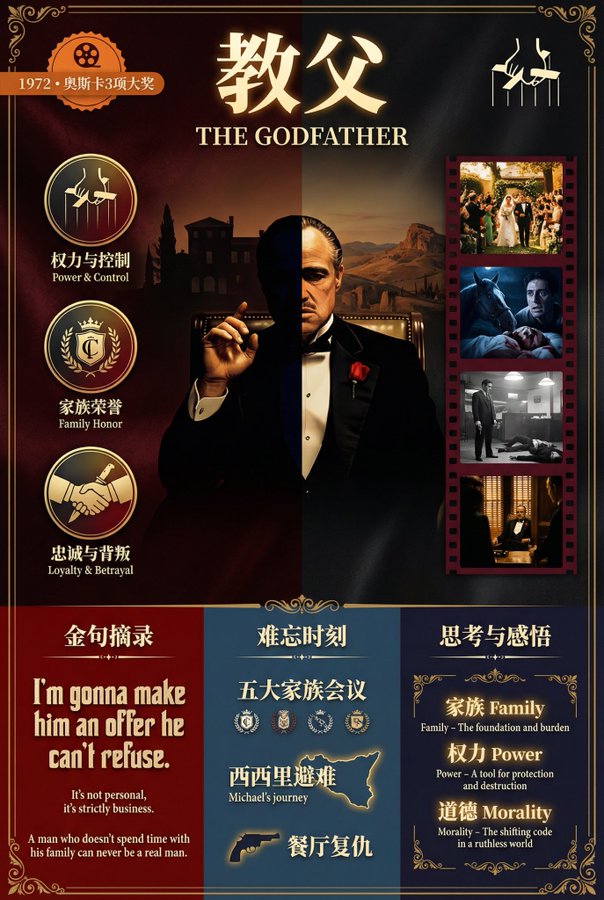
1️⃣ Modern Cinematic Style (Reference Image Style)

Applicable Works: Drama, Crime, Epic Films

Visual Features: Warm and cool contrast, dramatic lighting, geometric composition, professional movie poster quality

Color Logic: Choose contrasting color schemes based on the core emotion of the film

Example: "The Shawshank Redemption" → Prison cold blue vs. Hope gold orange

Example: "The Godfather" → Gangster burgundy black vs. Candlelight antique gold

2️⃣ Watercolor Hand-painted Style

Applicable Works: Art Films, Romantic Love Stories, Heartwarming Tales

Visual Features: Soft blending, visible brush strokes, paper texture, natural color fusion, organic edges

Color Logic: Warm and soft color schemes, simulating watercolor paint mixing effects

Example: "Amélie" → Warm colors of Paris café (cream, vintage green, rose pink, honey gold)

3️⃣ Warm Retro Art Style

Applicable Works: Classic Old Films, Nostalgic Themes, Golden Age Works

Visual Features: Aesthetic of 50-70s travel posters, flat decorative patterns, medieval modernism, retro printing texture

Color Logic: Faded postcard tones, halftone dots

Example: "Roman Holiday" → 50s Italian travel poster colors (warm brown, vintage teal, coral orange, olive green)

4️⃣ 2.5D Origami Style

Applicable Works: Animated Films, Fantasy Stories, Fairy Tales

Visual Features: Multi-layered paper art, three-dimensional shadows, depth effects, handmade paper-cut aesthetics, origami geometry

Color Logic: Bright layered colors, focusing on light and dark contrasts between layers

Example: "Spirited Away" → Magical colors of the spirit world (spirit blue, mysterious purple, magic gold, cherry blossom pink)

5️⃣ Minimalist Style

Applicable Works: Philosophical Works, Modern Minimalist Stories

Visual Features: 70% white space, 3-color limit, Swiss design, geometric purity

Color Logic: Use only 2-3 high-contrast colors + a lot of white

6️⃣ Cyberpunk Neon Style

Applicable Works: Sci-Fi Films, Future Themes, Experimental Works

Visual Features: Neon glow, digital glitches, holographic effects, dark backgrounds

Color Logic: Electronic fluorescent colors (cyan #00F0FF, magenta #FF006E, toxic green #39FF14)

7️⃣ Black and White High Contrast Style

Applicable Works: Film Noir, Classic Old Films, Serious Literature

Visual Features: Pure black and white, printmaking feel, German Expressionism, strong light and dark

Color Logic: No grayscale, only pure black #000000 and pure white #FFFFFF

🧬 Dynamic Color System

Color Selection Decision Tree

Analyze Work → Extract Core Emotion → Match Color Scheme

Emotion Dimensions:

- Warm/Cool

- Bright/Dark

- Dreamy/Real

- Retro/Modern

Color Formula:

Main Color (60%) + Emphasis Color (30%) + Accent Color (10%)

Contrast Principles:

- Drama → Warm and cool contrast

- Romance → Harmonious similar colors

- Thriller → Complementary color conflict

- Animation → High saturation, clear layering

📐 Fixed Layout Structure

Universal Layout Framework (Common to All Styles)

┌─────────────────────────────────────┐

│  Header                             │

│  [Award Badge] Title (Chinese/English) [Flag/Icon] │

├────────┬─────────────────┬──────────┤

│        │                 │  Right   │

│  Left  │     Center      │  Sidebar │

│ Sidebar│   Core Scene Illustration │  Film Strip   │

│ 3 Themes│                 │  4 Scenes   │

│  Icons  │                 │  Screenshots │

│        │                 │          │

├────────┴─────────────────┴──────────┤

│  Bottom Footer Text in Three Columns │

│  [Famous Quotes] [Memorable Moments] [Thoughts and Insights] │

└─────────────────────────────────────┘

Essential Elements Checklist

✅ Top: Work Title in Chinese and English, Award Information, Country/Year Identification

✅ Left: 3 Core Theme Icons + Keywords

✅ Center: Most Representative Iconic Scene

✅ Right: 4 Classic Famous Scenes (Film Strip/Frame Format)

✅ Bottom:

Famous Quotes: 2-4 of the most classic lines

Memorable Moments: 2-3 key plot details

Thoughts and Insights: 3-4 deep meaning interpretations

🔄 Workflow

Step 1: Work Analysis

Input: <Work Name>

Output:

- Core Themes (3 Keywords)

- Emotional Tone (Temperature, Brightness, Rhythm)

- Visual Symbols (Iconic Elements)

- Classic Lines/Scenes

- Award Information

Step 2: Style Matching

Choose style based on the work's essence:

- French Art Film → Watercolor Hand-painted

- 50s Classic Film → Warm Retro

- Miyazaki Animation → 2.5D Origami

- Nolan Sci-Fi Film → Modern Cinematic

- Kubrick Work → Minimalist/Black and White

Step 3: Color Generation

Extract Film Color DNA:

- Analyze the main color tone of the scene

- Identify emotional color tendencies

- Generate 5-7 color schemes

- Label Hex color values

Step 4: Content Creation

Generate specific content:

- 3 Theme Icon Design Descriptions

- 4 Famous Scene Descriptions

- Bottom Three Column Copywriting

- Layout Detail Planning

Step 5: Prompt Output

Generate complete AI drawing prompts (Midjourney/DALL-E format):

- Style Description (200-300 words)

- Color Scheme (Hex color values)

- Layout Structure (Detailed Description)

- Element Checklist (Itemized)

- Atmosphere Keywords

💡 Usage Example

User Input: "Inception"

System Output:

Style Selection: Modern Cinematic Style

Color Scheme:

Dream Fog Gray #B0BEC5

Reality Deep Blue #263238

Subconscious Gold #FFA000

Top Spin Silver #CFD8DC

3 Themes:

Dream Nesting (Infinity Symbol Icon)

Reality Illusion (Spinning Top)

Subconscious Exploration (Maze Key)

4 Scenes:

City Folding Scene

Hotel Corridor Fight

Snow Mountain Fortress Raid

Top Spinning Ending

Famous Quote: "You mustn't be afraid to dream a little bigger, darling."
Related prompts
Suggested alternatives based on similar intent and language.
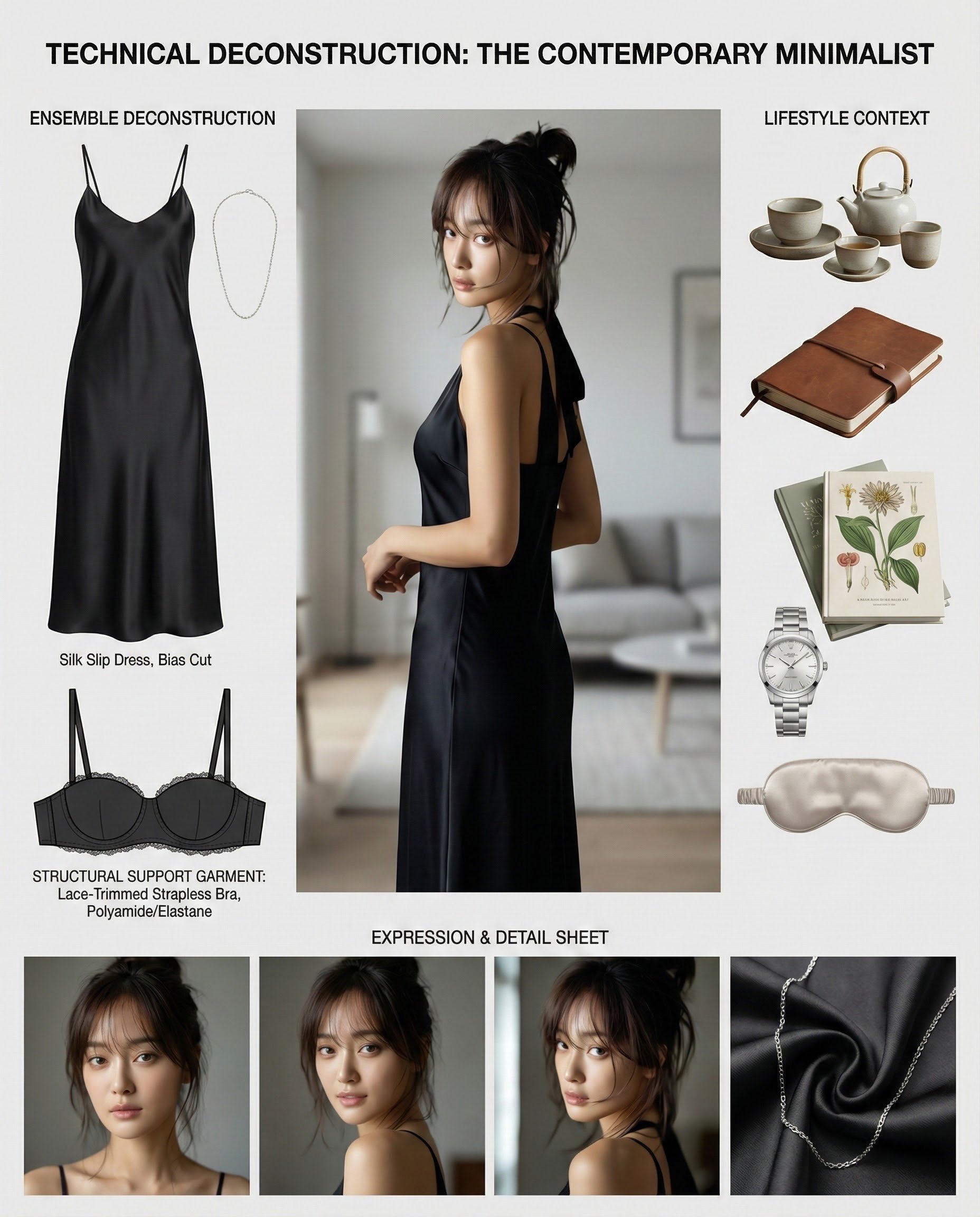
Wardrobe Deconstruction and Style Analysis
This prompt is for fashion designers needing to analyze a client's outfit, producing a detailed style profile collage that showcases each clothing item and its context.
Why creators keep returning to AI Prompt Copy
AI Prompt Copy grew from late-night experiments where we packaged the most effective prompt ideas into a single workspace so every creator could ship faster.
Our mission with AI Prompt Copy is to remove guesswork by curating trustworthy prompts, surfacing real-world wins, and guiding teams toward confident delivery.
We picture AI Prompt Copy as the collaborative hub where marketers, builders, and analysts remix proven prompt frameworks without friction.
Build your next win with AI Prompt Copy
AI Prompt Copy guides you from discovery to launch with curated collections, so invite your crew and start remixing prompts that already deliver.
Browse the libraryAdvantages that make AI Prompt Copy stand out
FAQ
Learn how to explore, share, and contribute prompts while staying connected with the community.
How should I tailor Book and Movie Style Posters before running it?
Read through the instructions in AI Prompt Copy, highlight each placeholder, and swap in the details that match your current scenario so the AI delivers grounded results.
What is the best way to collaborate on this prompt with my team?
Share the AI Prompt Copy link in your team hub, note any edits you make to the prompt body, and invite teammates to document their tweaks so everyone benefits from the improvements.
How can I save useful variations of this prompt?
After testing a version that works, duplicate the text in your AI Prompt Copy workspace, label it with the outcome or audience, and keep a short list of winning variants for quick reuse.
What can I do with AI Prompt Copy?
Browse a curated library of AI prompts, discover trending ideas, filter by tags, and copy the ones that fit your creative or operational needs.
How do I use a prompt from the AI Prompt Copy library?
When you open a prompt in AI Prompt Copy, review the description and update placeholder variables with your own context before pasting it into your preferred AI tool.
How can I share AI Prompt Copy prompts with my team?
Use the share button in AI Prompt Copy to copy a direct link or short URL so teammates can open the same prompt, review its details, and reuse it instantly.
Can I submit my own prompts to AI Prompt Copy?
Yes. Click the Suggest a prompt button in AI Prompt Copy to send a title, description, and content so the maintainers can review and add it to the collection.
Where do AI Prompt Copy prompts come from?
Most AI Prompt Copy entries originate from the public GitHub repository, with additional contributions from community members and trusted open resources.
How do I leave feedback or report an issue?
Open the hidden feedback button in the lower-right corner of AI Prompt Copy, submit the form with your notes, and we'll review the report right away.
How do I onboard new teammates with our prompt playbook?
Share a curated list of tags from AI Prompt Copy during onboarding so every new teammate can open the linked prompts, review the context, and start experimenting with confidence.
What workflow keeps campaign collaborators aligned?
Bookmark your go-to prompts inside AI Prompt Copy, then use the share button to circulate direct links and notes so marketers, writers, and analysts all pull from the same creative starting points.
Can I adapt prompts for teams in regulated industries?
Yes. Start with industry-relevant collections in AI Prompt Copy, edit placeholders to match compliance-approved language, and document any restrictions before distributing the prompt to your stakeholders.
Where do I find help tailoring prompts to my use case?
Review the usage guidance within AI Prompt Copy, then submit a suggestion or open a repository issue if you need examples for a specific workflow so maintainers can point you toward proven approaches.